

If your home lacks a C wire, you can still upgrade to a smarter heating and cooling setup without rewiring. The best smart thermostats without a C wire make installation simpler while still offering scheduling, remote access, and voice control.
Below, we focus on models that fit common no-C-wire needs, from DIY-friendly options to systems that work with adapters, batteries, or wireless accessories.
Best 10 Smart Thermostats Without a C Wire Picks for 2026
Color Screen WiFi Pick
No C Wire Smart Thermostat with App Control

- Color LCD screen for easy reading
- Mobile app and voice control support
- Built for heating and cooling management
Best For: Shoppers who want a simple no-C-wire thermostat with app control
Wireless RedLINK Choice
FocusPro Wireless Programmable Thermostat

- Wireless RedLINK setup avoids extra wiring
- Battery powered with programmable schedules
- Outdoor temp and humidity display support
Best For: Users who need a wireless programmable thermostat without extra wiring
TUYA Knob Pick
No C Wire Smart Thermostat with Ambient Light

- TUYA WiFi control with voice support
- 1.32-inch screen and rotating knob
- 7-color ambient lighting
Best For: Shoppers who want a stylish no-C-wire thermostat with knob control
Z-Wave Touchscreen Pick
T6 Pro Programmable Smart Thermostat
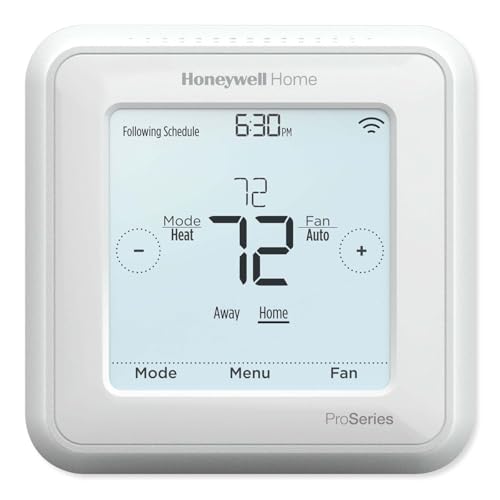
- Z-Wave Plus smart home compatibility
- Touchscreen with app control
- Battery power or C-wire hardwire support
Best For: Z-Wave users who want a programmable touchscreen thermostat
Budget-Friendly DIY Wi-Fi Thermostat
Sensi Lite Smart Thermostat, WiFi

- C-wire not required on most systems
- DIY install with built-in level
- ENERGY STAR, scheduling, geofencing, and usage reports
Best For: DIY buyers wanting simple app control and privacy
Privacy-Focused DIY Upgrade

- Common wire not required in most applications
- Works with Alexa, HomeKit, Google Assistant, and SmartThings
- Includes maintenance alerts and filter indicator
Best For: Buyers wanting a traditional-looking thermostat with smart features
Compact DIY Option
Google Nest Thermostat for Most Homes
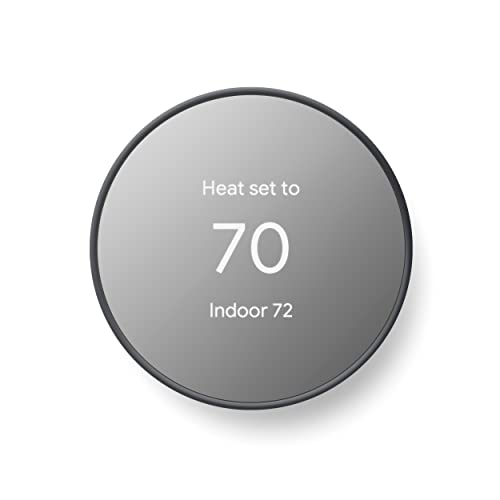
- Works without a C wire in most homes
- Energy Star certified with app scheduling
- HVAC monitoring and remote control
Best For: Typical homes that want a simple smart thermostat and can verify compatibility first
Adapter-Based Value
MoesGo WiFi Thermostat with C-Wire Adapter

- Includes a C-wire adapter and remote sensor
- 7-day schedule with app and voice control
- Not supported for 2-wire or high-voltage systems
Best For: Homes that can use the included adapter and want room-by-room temperature flexibility
Color Screen WiFi Pick – No C Wire Smart Thermostat with App Control
If you want smart thermostats without a C wire that still keep day-to-day control simple, this WiFi model is built around convenience. The color LCD screen makes local adjustments easy, while the mobile app and voice control add remote access for home, office, or hotel use.
Best For: Buyers who want a straightforward no-C-wire smart thermostat with a clear display and app control.
Pros:
- LCD color screen for easy temperature viewing and adjustment
- Mobile app control for remote changes from a smartphone
- WiFi connectivity for stable remote operation
- Supports voice control and smart home compatibility
Cons:
- Feature set is more basic than premium flagship thermostats
- Product details do not specify advanced scheduling options
Overall, this is a practical pick if you mainly want clear controls, remote access, and no-C-wire installation support in a simple package.
Wireless RedLINK Choice – FocusPro Wireless Programmable Thermostat
Among smart thermostats without a C wire, this Honeywell wireless model stands out for installations where you do not want to run additional wiring. It is a programmable thermostat powered by RedLINK, with battery power and support for different programming formats to fit common heating setups.
Best For: Homes that need a wireless programmable thermostat without running additional wiring.
Pros:
- Wireless RedLINK design means no need to run additional wiring
- Programmable options include 5-1-1 and 5-2 schedules
- Battery powered with about 1 year of battery life
- Can display outdoor temperature and humidity with compatible accessories
Cons:
- Requires separate equipment interface modules or adapters for some systems
- Not smart home compatible according to the listed details
- Some features depend on sold-separately accessories
This is a solid choice if your priority is a reliable wireless thermostat that avoids extra wiring, but it is less of a modern smart-home option than app-first models.
TUYA Knob Pick – No C Wire Smart Thermostat with Ambient Light
If you’re comparing smart thermostats without a C wire for a modern-looking setup, this TUYA-compatible model mixes app control with a compact knob interface. It is designed for precise temperature control and includes a 1.32-inch screen plus seven ambient light colors for a more styled, customizable look.
Best For: Buyers who want a no-C-wire smart thermostat with a compact knob design and decorative lighting.
Pros:
- TUYA smart home compatibility with smartphone and voice control
- Mechanical knob and 1.32-inch screen for simple operation
- 7-color ambient light feature adds a customizable design touch
- Built for precise temperature control and programmable use
Cons:
- Corded electric power may limit installation flexibility compared with battery units
- Smaller screen may be less convenient than larger display thermostats
This model makes sense if you want the convenience of remote control but also care about the thermostat’s appearance and hands-on knob control.
Z-Wave Touchscreen Pick – T6 Pro Programmable Smart Thermostat
This Honeywell Home model is a good fit if you are shopping for smart thermostats without a C wire but can work with a battery-powered or hardwired setup. It uses Z-Wave Plus connectivity, a touchscreen interface, and flexible programming options for heat pump or conventional systems.
Best For: Z-Wave users who want a programmable touchscreen thermostat with multiple installation options.
Pros:
- Z-Wave Plus certified for smart home integration
- Touchscreen control with app support
- Flexible programming options including 7-day, 5-1-1, and 5-2
- Can be powered by batteries or hardwired through a C-wire
Cons:
- Not strictly a no-C-wire model since it can also use a C-wire
- May require the right system compatibility for installation
For buyers already in the Z-Wave ecosystem, this offers a practical thermostat with a familiar touchscreen layout and multiple scheduling choices.
Budget-Friendly DIY Wi-Fi Thermostat – Sensi Lite Smart Thermostat, WiFi
If you want smart thermostats without a C wire for most standard HVAC setups, the Sensi Lite is built around easy DIY installation and app-based control. It adds flexible scheduling, geofencing, remote access, and usage reports, while staying focused on straightforward everyday comfort.
Best For: Homeowners who want a simple, privacy-conscious Wi-Fi thermostat that’s easy to install and manage remotely.
Pros:
- C-wire not required on most systems
- Built-in level and step-by-step installation instructions
- ENERGY STAR-certified with scheduling, geofencing, and usage reports
- Strong privacy policy with no selling of personal information
Cons:
- C-wire still required for heat pump and heat/cool only systems
- More basic than some premium smart thermostats
Overall, the Sensi Lite is a practical pick if you want a no-fuss smart thermostat that covers the essentials without a complicated setup. It’s especially appealing for DIY buyers who value app control and privacy.
Smart Home Z-Wave Pick – Honeywell T6 Pro Series Z-Wave Thermostat
For smart thermostats without a C wire in a connected-home setup, the Honeywell T6 Pro Series is a Z-Wave option designed to work with smart home platforms like SmartThings and Vera. It focuses on programmable comfort, automatic temperature control, and cycle learning rather than a feature-heavy app experience.
Best For: Smart home users who want a Z-Wave thermostat that fits into an existing automation setup.
Pros:
- Z-Wave connectivity for smart home integration
- Programmable with automatic temperature control
- Learns your heating and cooling cycle
- Includes batteries, cover plate, and mounting hardware
Cons:
- Not a Wi-Fi thermostat
- Depends on compatible Z-Wave smart home systems
This is a solid choice if your priority is automation compatibility instead of standalone app convenience. It’s best suited to homes already using a Z-Wave ecosystem and looking for a reliable thermostat upgrade.
Privacy-Focused DIY Upgrade – Sensi Smart Thermostat ST55
The Sensi ST55 is a strong option if you’re looking for smart thermostats without a C wire in most applications and want a more traditional thermostat look. It combines Wi-Fi control, DIY installation, and smart maintenance features with broad platform support and Energy Star-certified efficiency.
Best For: Buyers who want a full-featured, easy-to-install thermostat that blends into a traditional wall setup.
Pros:
- Common wire not required in most applications
- Easy DIY install with app instructions and built-in level
- Works with Alexa, HomeKit, Google Assistant, and SmartThings
- Maintenance alerts, filter indicator, and usage reports
Cons:
- May still need a C-wire in some HVAC setups
- Button-based design is less modern than touchscreen rivals
Overall, the ST55 stands out for combining broad smart-home support with a familiar thermostat design. It’s a good fit if you want convenience, privacy, and system monitoring without a complicated install.
Compact DIY Option – Google Nest Thermostat for Most Homes
Google Nest Thermostat - Smart Thermostat for Home - Programmable Wifi Thermostat - Charcoal
Check Price On AmazonIf you want smart thermostats without a C wire, the Google Nest Thermostat is one of the simplest places to start. It’s designed to work without a C wire in most homes, while still giving you app-based scheduling, remote access, and energy-saving automation. Just note that some systems, including heating-only, cooling-only, zone-controlled, and heat pump setups, may still need a C wire or compatible power accessory.
Best For: Homeowners who want a streamlined smart thermostat for a typical 24V system and are okay checking compatibility first.
Pros:
- Designed to work without a C wire in most homes
- Energy Star certified with scheduling and Savings Finder
- Remote control through the Google Home app
- HVAC monitoring with helpful maintenance alerts
Cons:
- Some systems will still need a C wire or power accessory
- Not ideal if you want the most universal no-C-wire setup
- Compatibility should be checked before buying
For buyers comparing smart thermostats without a C wire, this Nest model stands out for its easy app control and energy-focused features. It’s best suited to homes that fit its compatibility range rather than edge-case HVAC setups.
Modern Matter Pick – meross Smart Thermostat with C-Wire Required
Among smart thermostats without a C wire, this meross model is not the match if your system can’t provide one, because the product notes say a C wire is required and not included. It still deserves a look for buyers who do have compatible wiring and want Matter support, 24/7 scheduling, and broad platform integration in one thermostat.
Best For: Homes with the required C wire already available and buyers who want Matter compatibility across major smart home platforms.
Pros:
- Works with Matter, Alexa, Apple Home, Google Assistant, and SmartThings
- 24/7 scheduling for heating and cooling routines
- Tracks HVAC usage in the app to help manage energy use
- Smart alerts for filter life and system malfunctions
Cons:
- C wire is required and not included
- Not suitable for two-wire systems or high-voltage heaters
- Not a fit for shoppers specifically seeking a no-C-wire thermostat
This is a feature-rich thermostat, but the wiring requirement is the deciding factor. If your setup already has the needed C wire, the platform support and scheduling tools make it appealing; otherwise, look elsewhere.
Adapter-Based Value – MoesGo WiFi Thermostat with C-Wire Adapter
If you’re shopping for smart thermostats without a C wire, the MoesGo model is built around a C-wire adapter, which can make it a practical workaround for some homes. It supports programmable scheduling, remote control, and voice control, plus it includes a zone remote sensor for more flexible temperature monitoring.
Best For: Homeowners who need a thermostat that can be installed with the included C-wire adapter and want a remote sensor for room monitoring.
Pros:
- Includes a C-wire adapter for compatibility help
- Comes with a free temperature sensor
- 7-day programmable scheduling with four modes
- Works with Alexa and Google Home for voice control
Cons:
- Not supported for 2-wire systems
- Not for high-voltage 120V-240V systems
- Only supports 2.4GHz Wi-Fi
This is the most workaround-oriented option in the group, but it still has clear limits. It makes sense if the included adapter fits your HVAC setup and you want the added convenience of a sensor and scheduling.
How We Picked These Smart Thermostats Without a C Wire
We focused on models that are realistically usable in homes without a dedicated C wire, including thermostats with battery power, wireless design, included adapters, or compatibility-friendly installation paths. We also looked for everyday convenience features such as app control, voice assistant support, scheduling, and clear DIY setup.
Because no-C-wire installs can vary by HVAC system, we gave extra weight to models with straightforward compatibility guidance and flexible power options.
Quick Comparison
In this group, some thermostats are best for simple DIY replacement, while others are better suited for users who want stronger smart-home integration or more advanced control. The right pick often depends on whether you need a basic app-connected thermostat, a premium touchscreen, or support for accessories like remote sensors.
Key Buying Factors for Smart Thermostats Without a C Wire
Power Method
Check whether the thermostat runs on batteries, uses an included adapter, or supports another no-C-wire solution. This is the most important compatibility detail.
HVAC Compatibility
Confirm support for your system type, especially if you have a heat pump, boiler, electric heat, multi-stage equipment, or zoning. A thermostat can be no-C-wire friendly and still not fit every HVAC setup.
Smart Home Platform Support
Look for compatibility with Alexa, Google Assistant, Apple Home, Matter, or Z-Wave if you already use a smart-home ecosystem. This can matter more than extra on-device features.
Installation and Setup
DIY-friendly models should include clear wiring instructions, app-based setup, and strong compatibility checks. If you are uncertain, choose a thermostat with better install support rather than the cheapest option.
Control Features
Useful extras include scheduling, geofencing, remote temperature adjustment, energy reports, and optional room sensors. For many buyers, these are the features that make a smart thermostat worth it.
Who Should Buy Which Smart Thermostats Without a C Wire?
If you want the easiest path for a typical home, choose a simple Wi-Fi model designed for no-C-wire installation. If your priority is whole-home automation, a Matter, Alexa, Google, or Z-Wave option may be better. If your HVAC setup is more complex, look for models that mention adapters, broader system support, or remote sensor expansion.
In short, the best Smart Thermostats Without a C Wire are the ones that match your wiring situation, your HVAC system, and the smart features you will actually use every day.
