

Photographers need more than simple storage. The right NAS can protect your archive, speed up file access, and make it easier to share work across devices.
Below, we’ve rounded up 10 strong options for different budgets and workflows, from beginner-friendly home setups to faster, expandable systems for serious photo libraries.
Best 10 Network Attached Storage Devices for Photographers Picks for 2026
Private Cloud Media Hub

- Fast 282 MB/s transfer speeds
- Automated multi-layer backup protection
- Private cloud access across devices
Best For: Photographers who want a fast, private cloud NAS for photo storage and backups
Budget 4TB NAS Starter

- Includes 4TB of storage
- Gigabit LAN for network access
- DLNA support for media sharing
Best For: Photographers who want a basic, low-complexity 4TB NAS
Simple 2-Bay Backup NAS
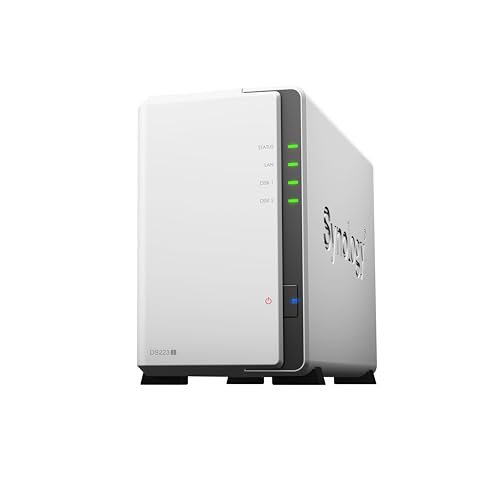
- Diskless 2-bay flexibility
- Automated backups across devices
- Private cloud sharing and sync
Best For: Photographers who want an affordable, diskless 2-bay NAS
All-in-One Personal Cloud
SSK 4TB NAS with Drive Included

- 4TB drive included
- NAS and DAS modes
- One-click backup and remote access
Best For: Photographers who want an all-in-one NAS with included storage
High-Speed Pro NAS

- 10GbE + 2.5GbE for fast transfers
- AI photo recognition runs on-device
- Dual M.2 NVMe slots add flexibility
Best For: Photographers with large RAW libraries and advanced workflow needs
Simple Backup NAS
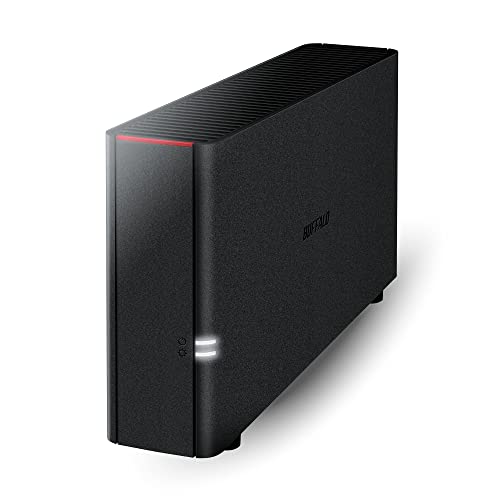
- 6TB HDD included out of the box
- Subscription-free home cloud storage
- Windows and macOS support for backups
Best For: Photographers who want easy, low-maintenance photo backup at home
Hybrid Photo NAS

- 2 SATA bays plus 2 M.2 NVMe slots
- Smart Photo Album for organizing memories
- 2.5GbE and 4K HDMI 2.0 included
Best For: Photographers who want compact, private storage with easy photo sorting
Pro-Grade Rackmount Backup
BUFFALO TeraStation 3420RN 4-Bay SMB

- 8TB included with pretested NAS drives
- RAID 1/5/6 flexibility for protection
- 2.5GbE and cloud sync support
Best For: photographers who need a rackmount NAS with included drives and built-in redundancy
Creative Media Hub

- Up to 136TB with HDD and NVMe expansion
- AI Album helps organize photos by content
- Dual 2.5GbE plus HDMI and USB-C
Best For: photographers and creators who want high-capacity, AI-assisted photo storage
Beginner Photo Vault
UGREEN NAS DH2300 2-Bay Desktop NAS

- Up to 64TB in an easy 2-bay desktop design
- AI tagging for faces, locations, texts, and objects
- Automatic backups across major platforms
Best For: beginners and solo photographers who want simple private backup and photo organization
Private Cloud Media Hub – Synology DS225+ for Creators
For photographers comparing network attached storage devices for photographers, the Synology DS225+ is a practical pick if you want a private cloud that handles photo libraries, video, and file access in one place. It supports automated backups, remote access, and fast transfers, making it a strong fit for storing shoots and sharing client files without relying on monthly cloud storage fees.
Best For: Photographers who want a fast, private cloud NAS for photo storage, backups, and remote access.
Pros:
- Fast 282 MB/s transfer speeds help when moving large photo and video libraries.
- Automated backups to cloud services, external drives, and remote NAS add multiple layers of protection.
- Supports private cloud access from phones, laptops, desktops, and servers.
- Hardware transcoding and media streaming add flexibility for mixed photo/video workflows.
Cons:
- Diskless 2-bay design means you still need to buy your own drives.
- More feature-rich than a basic backup box, so setup may be more involved than simpler units.
This is a good fit if you want a dependable NAS that can store, back up, and share photography work while leaving room for other media uses too. The DS225+ balances creator-focused backup tools with broad access options, which makes it especially useful for photographers with growing archives.
Budget 4TB NAS Starter – Buffalo LinkStation 220
If you need a straightforward entry point among network attached storage devices for photographers, the Buffalo LinkStation 220 offers a simple 4TB NAS setup with Gigabit LAN, DLNA support, and Ethernet connectivity. It is aimed more at basic file storage and media access than advanced creator workflows, but it can still serve as a compact home archive for photos and supporting files.
Best For: Photographers who want a basic, low-complexity 4TB NAS for simple storage and sharing.
Pros:
- Includes 4TB of storage out of the box, so there is no drive shopping required.
- Gigabit LAN and Ethernet connectivity support network storage access.
- DLNA support can help with media sharing across compatible devices.
Cons:
- Far less feature-rich than newer creator-focused NAS units.
- Bullets and specs point to modest hardware rather than high-end performance.
- Best suited to basic storage, not a deep photo workflow ecosystem.
For photographers who mainly want a simple network storage box for archived images, this model keeps the setup basic. It is not the most advanced option, but the included drive and Ethernet-based design make it easy to understand as a starter NAS.
Simple 2-Bay Backup NAS – Synology DS223j
Among network attached storage devices for photographers, the Synology DS223j is a sensible choice if you want a simple private cloud with strong backup and sharing features. It is diskless, so you can choose your own drives, and it focuses on multi-platform access, automated backups, and easy file syncing for home or small studio use.
Best For: Photographers who want an affordable, diskless 2-bay NAS for backups and file sharing.
Pros:
- Diskless 2-bay design lets you choose the storage size and drive type you need.
- Automated backups support Macs, PCs, mobile devices, cloud, and external drives.
- Multi-platform access makes it easy to share files and media remotely.
- 2-year warranty adds reassurance for everyday use.
Cons:
- You must supply your own hard drives before use.
- More focused on backup and access than on advanced media or power-user features.
This NAS works well when reliability and simple workflow matter more than extra bells and whistles. For photographers building a private archive or a dependable backup target, the DS223j keeps the feature set focused and approachable.
All-in-One Personal Cloud – SSK 4TB NAS with Drive Included
For photographers looking at network attached storage devices for photographers, the SSK 4TB Personal Cloud stands out because it includes the drive and supports both NAS and DAS modes. That makes it useful if you want remote access for photo storage, plus a USB 3.0 direct-attach option for faster local transfers when managing large image sets.
Best For: Photographers who want an all-in-one NAS with included storage and easy remote access.
Pros:
- Includes 4TB of storage, so it is ready to use without separate drive purchases.
- Supports NAS and DAS modes for both network access and direct USB transfers.
- One-click backup and auto-sync help protect photos and videos from mobile devices and PCs.
- Private/public area separation adds a useful layer for organizing sensitive files.
Cons:
- Network transfer speeds are listed at 10–30MB/s in NAS mode, which is modest.
- Notably does not support Wi-Fi connection.
- Setup and browser guidance may feel less polished than mainstream NAS brands.
If you want a simple personal cloud with storage already included, this model is easy to understand. It is best viewed as a convenience-first option for photographers who value quick backup and remote access over advanced expandability.
High-Speed Pro NAS – UGREEN NAS DXP4800 Pro
If you’re comparing network attached storage devices for photographers, the UGREEN NAS DXP4800 Pro is built for large RAW libraries, fast transfers, and heavier workflows like photo indexing and editing support. Its mix of 10GbE, 2.5GbE, dual M.2 NVMe slots, and AI-powered photo recognition makes it a strong fit when speed and organization matter.
Best For: Photographers and creative pros who want a high-speed, expandable NAS for big photo archives and advanced multitasking.
Pros:
- Intel Core i3-1315U with 8GB DDR5 RAM, expandable up to 96GB
- 10GbE plus 2.5GbE networking for fast file transfers
- AI-powered photo album with on-device recognition for faces, scenes, and content
- Two M.2 NVMe slots for cache or extra storage flexibility
Cons:
- Diskless, so you need to add your own drives
- More performance than a basic home photo backup setup needs
- Best value is tied to users who will use its advanced features
For photographers with growing archives, this model stands out because it combines serious hardware with photo-focused tools and private on-device processing. It is less of a simple backup box and more of a high-end creative storage hub.
Simple Backup NAS – BUFFALO LinkStation 210 6TB
For photographers who want a straightforward entry point into network attached storage devices for photographers, the BUFFALO LinkStation 210 6TB keeps things simple. It comes with a hard drive included, supports centralized storage and backup, and is designed to let you store and share photos without monthly subscription fees.
Best For: Photographers who want an easy, subscription-free home NAS for basic photo backup and shared storage.
Pros:
- 6TB capacity with HDD included for immediate use
- Subscription-free personal cloud for photos, videos, and music
- Compatible with Windows and macOS for home backup setups
- Built-in security features like SSL encryption and a closed system
Cons:
- Single-bay design limits expansion and redundancy options
- Less suited to demanding photo workflows than higher-performance NAS units
- macOS support is limited to Sequoia and earlier
This is a practical pick when your main goal is simple, centralized photo storage rather than speed or advanced features. It works best as a no-fuss home cloud and backup device for smaller libraries.
Hybrid Photo NAS – LincStation E1 4-Bay NAS
The LincStation E1 is a compelling option if you want network attached storage devices for photographers with a balance of capacity, caching speed, and simple everyday use. Its hybrid 4-bay design combines SATA storage with M.2 NVMe slots, while the Smart Photo Album and mobile-first LincOS make it easier to organize photo collections.
Best For: Photographers who want a compact, privacy-focused NAS with hybrid storage and easy photo organization.
Pros:
- Hybrid layout with 2 SATA bays and 2 M.2 NVMe slots
- Smart Photo Album organizes images by date and category
- 100% local account system with zero subscription fees
- 2.5GbE networking and 4K HDMI 2.0 output
Cons:
- Diskless, so drives must be purchased separately
- 4GB RAM is modest for heavier multitasking
- Quad-Core Cortex-A55 is more efficiency-focused than high-end performance
Overall, the E1 is aimed at photographers who value privacy, a cleaner interface, and flexible storage more than raw power. It gives you useful photo-management features in a compact NAS that can grow with your archive.
Pro-Grade Rackmount Backup – BUFFALO TeraStation 3420RN 4-Bay SMB
If you want network attached storage devices for photographers that prioritize dependable backup and shared access, the BUFFALO TeraStation 3420RN is built for a more business-like workflow. It ships with drives included, arrives preconfigured in RAID 5 for usable capacity, and adds a 2.5GbE port for faster transfers without needing a cable upgrade.
Best For: Photographers who need a rackmount NAS with included drives, built-in protection, and straightforward setup.
Pros:
- 4-bay system with 8TB included and pretested NAS-grade hard drives
- RAID options including RAID 1 pre-configuration and RAID 5/6 flexibility
- 2.5GbE connectivity for faster file transfers
- Cloud sync support for Amazon S3, Dropbox, Azure, and OneDrive
Cons:
- Rackmount design is less convenient for a desk-based home studio
- Storage is fixed at 8TB included unless you change the RAID setup or expand later
- Geared more toward business/server use than simple personal photo storage
Overall, this is a strong pick if your photography workflow needs reliable on-premise storage with extra protection and remote backup options. It focuses less on consumer-friendly extras and more on durability, redundancy, and support.
Creative Media Hub – ORICO HS500 NAS Storage
For photographers who want network attached storage devices for photographers with room to grow, the ORICO HS500 stands out with five HDD bays, two M.2 NVMe slots, and flexible RAID support. It also adds AI Album features for semantic photo search, which can make large image libraries easier to browse and organize.
Best For: Photographers and content creators who want high-capacity storage, AI photo organization, and expansion headroom.
Pros:
- Up to 136TB capacity with 5 HDD slots and 2 NVMe SSD slots
- AI Album can sort photos by faces, scenes, and locations
- Dual 2.5GbE ports for faster networking
- Supports RAID 0/1/5/6/10 plus USB-C and HDMI connectivity
Cons:
- Diskless model means you must buy all storage drives separately
- More feature-rich than a simple photo backup box, so setup may be more involved
- Designed for server/business use rather than a minimal home workflow
This is a versatile choice if you want more than basic storage and expect your photo archive to grow. Its AI tools and expansion options make it especially appealing for creators managing big libraries and mixed media.
Beginner Photo Vault – UGREEN NAS DH2300 2-Bay Desktop NAS
If you are looking for network attached storage devices for photographers and want a simple first NAS, the UGREEN NAS DH2300 is aimed at easy private photo storage and automatic backup. It supports up to 64TB, includes AI photo organization tools, and focuses on a beginner-friendly experience rather than advanced server features.
Best For: Beginners and solo photographers who want simple, private photo backup and AI-assisted organization.
Pros:
- Supports up to 64TB for large personal photo libraries
- AI tagging can identify faces, locations, texts, and objects
- Automatic backups across Windows, iOS, Android, and macOS
- 2-bay desktop design is easy to fit into a home setup
Cons:
- 1GbE is slower than the 2.5GbE options on some higher-end NAS units
- Does not support Docker or virtual machines
- Storage drives are not included
This model makes sense if you want straightforward photo storage without a steep learning curve. It leans heavily into privacy, simple backups, and AI sorting, which suits photographers moving away from cloud subscriptions.
Choosing among Network Attached Storage Devices for Photographers comes down to three things: capacity, speed, and the way you plan to manage backups and sharing over time. A good NAS should fit your current library while leaving room for future shoots, edited exports, and long-term archives.
How We Picked the Best Network Attached Storage Devices for Photographers
We focused on models that make sense for photo workflows: easy remote access, dependable RAID support, sensible expansion options, and user-friendly software for organizing and protecting images. We also considered whether each unit is better suited to a solo photographer, a small studio, or a heavier creative workload.
Quick Comparison
For most photographers, 2-bay systems are the simplest starting point and balance cost with redundancy. 4-bay systems are better if you expect library growth, want more flexible RAID options, or need better performance for multi-user access. Preloaded units can be easier to set up, while diskless models often give you more control over drives, capacity, and performance.
Key Buying Factors for Network Attached Storage Devices for Photographers
Drive bays and RAID: More bays usually mean more flexibility. RAID can protect against a single drive failure, but it is not a backup by itself.
Capacity: Think beyond today’s files. RAW catalogs, edited TIFFs, video, and client delivery folders can grow fast.
Speed: Gigabit Ethernet is fine for basic backup, but 2.5GbE or better is helpful for larger files and faster access.
Software: Look for solid photo organization, remote access, mobile apps, and simple backup scheduling.
Expandability: Support for SSD cache, NVMe, or additional drive bays can improve performance and extend the life of your setup.
Ease of use: If you are new to NAS, a clearer setup experience may matter more than advanced features you will not use right away.
Who Should Buy Which Network Attached Storage Devices for Photographers?
Beginner photographers: Choose a simple 2-bay NAS with easy setup and cloud-like access if you mainly want safer backups and basic sharing.
Growing photo businesses: Pick a 4-bay model if you need more storage, better performance, and room for multiple clients or team members.
Power users and studios: Look for faster networking, stronger processors, and expansion options if you edit directly from storage or manage large image libraries.
Budget-focused buyers: Preconfigured units can save time and reduce setup complexity, especially if you want an all-in-one solution.
No matter which model you choose, prioritize reliable backup habits alongside the hardware itself. The best NAS is the one that fits your workflow now and still makes sense as your archive grows.
