

Finding the right backup power can make all the difference when you rely on a CPAP machine every night. The best options balance battery capacity, AC output, portability, and the ability to run quietly through the night.
In this roundup, we focus on portable power stations for CPAP machines that are practical for home backup, travel, and emergency use, so you can shop with confidence.
Best 10 Portable Power Stations for CPAP Machines Picks for 2026
Multi-Night CPAP Backup
EASYLONGER ES960 LiFePO4 CPAP Battery

- 297.6Wh LiFePO4 battery for 2+ nights of CPAP use
- Includes 4 cables for major ResMed and Philips models
- Also powers phones, tablets, laptops, and other small devices
Best For: CPAP users needing long-runtime backup at home, camping, or during outages
Compact Emergency Pick
MARBERO 296Wh Portable Power Station
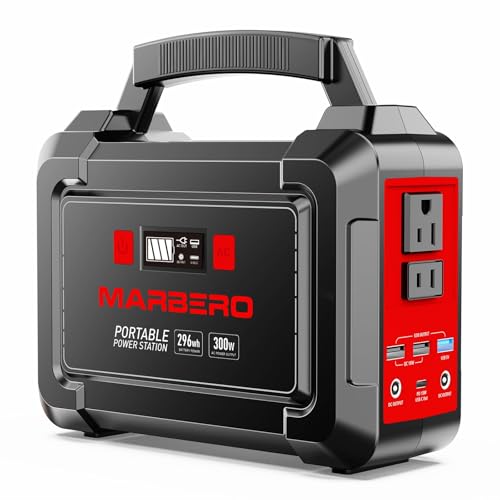
- 296Wh capacity rated for about 9 hours of CPAP use
- Lightweight 5.7 lb design with handle for easy transport
- Multiple AC, DC, USB, and USB-C outputs plus three recharge methods
Best For: Short CPAP backup, camping, and emergency use when portability matters
Lightweight CPAP Travel Kit

- 297Wh backup rated for 5-7 CPAP nights on many devices
- Weighs just 3.9 lb with handle and accessory bag
- Includes 5 cables and multiple DC outputs for popular CPAPs
Best For: Travelers who want a lightweight, CPAP-focused backup with a complete cable set
Most Versatile Pick
EBL 330W 288.6Wh Portable Power Station
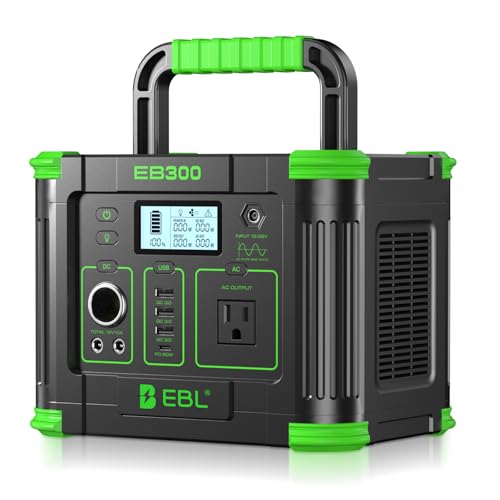
- 288.6Wh battery rated for 16+ hours of CPAP use
- Wide port mix includes AC, DC, USB-C, wireless charging, and car outlet
- Three recharge methods plus built-in SOS/emergency light
Best For: People who want a flexible backup station for CPAP, outages, and small electronics
Compact Backup Pick
EnginStar 300W 296Wh Portable Power Station

- 296Wh battery with 300W pure sine wave AC
- Only 6.5 lb with 8 output ports
- Charges by wall, car, or compatible solar panel
Best For: CPAP users who want a lightweight emergency backup
Balanced Feature Pick
EBL 330W 288.6Wh Power Station

- 288.6Wh capacity with 330W pure sine wave AC
- Wireless charging plus USB-C, DC, and car ports
- Built-in LED light and SOS mode for emergencies
Best For: CPAP users who want a compact power station with useful extras
Flexible CPAP Backup Hub
228Wh 300W power station with many outputs

- 300W pure sine wave AC with 600W surge
- Charges up to 9 devices at once
- Built-in MPPT solar charging support
Best For: Users wanting a compact multi-device backup for outages and trips
Multi-Night CPAP Backup – EASYLONGER ES960 LiFePO4 CPAP Battery
If you want portable power stations for CPAP machines that can run through more than one night, the EASYLONGER ES960 is built around that use case. Its 297.6Wh LiFePO4 battery is designed for CPAP backup, with support for ResMed, Philips DreamStation, AirMini, and several other systems through the included cables.
Best For: Travelers, campers, and homeowners who want a CPAP-focused backup battery with long runtime and broad device compatibility.
Pros:
- 297.6Wh capacity supports 2+ nights of CPAP use without humidifier or heated tube, depending on settings.
- Includes 4 CPAP cables for major systems like AirSense 10/11, AirCurve 10/11, AirMini, DreamStation 1/2, and ResMed S9.
- LiFePO4 battery chemistry and 3000+ cycle lifespan are built for long-term reliability.
- Also works as a 180W portable power station for phones, tablets, laptops, drones, and other small devices.
Cons:
- Not TSA-approved for air travel because it exceeds the 160Wh limit.
- Heated tube support is not included for some CPAP setups.
- Solar panel is not included if you want solar recharging.
Overall, this is a strong choice if your main priority is dependable CPAP runtime rather than ultra-light travel convenience. The included cable set and multi-port output make it more versatile than a basic battery backup.
Compact Emergency Pick – MARBERO 296Wh Portable Power Station
The MARBERO portable power station is a practical option if you want portable power stations for CPAP machines with a compact footprint and multiple charging options. Its 296Wh capacity is rated to keep a CPAP machine running for about 9 hours, while also handling phones, laptops, lights, and other low-wattage gear.
Best For: Budget-conscious buyers who want a compact emergency power station for short CPAP backup and general household use.
Pros:
- 296Wh capacity is rated for about 9 hours of CPAP runtime, depending on the machine.
- Includes AC outlets, DC ports, USB ports, and a USB-C port for flexible everyday use.
- Three recharge methods: wall outlet, car lighter outlet, or solar panel.
- Lightweight 5.7 lb design with a handle makes it easy to carry for camping or outages.
Cons:
- Limited appliance wattage is under 100W for many uses.
- AC output is 300W rated with 350W peak, so it is not intended for larger devices.
- Solar panel is sold separately.
This model makes sense if you want a small, all-purpose backup unit that can cover a CPAP and a few essentials. It is less specialized than a CPAP-only battery, but the portability and connector variety are appealing.
Lightweight CPAP Travel Kit – BLUETTI X30 297Wh CPAP Backup
If you are comparing portable power stations for CPAP machines and want a lightweight option, the BLUETTI X30 is worth a look. It delivers 297Wh of backup power and comes with a full cable set for popular CPAP systems, making it a practical fit for travel, camping, and outage prep.
Best For: CPAP users who want a compact, carry-friendly battery with a complete accessory set for common machine brands.
Pros:
- 297Wh capacity is rated for 5-7 nights of CPAP use on many devices, depending on settings.
- Very light at 3.9 lb, with a built-in handle and accessory bag for easier packing.
- Three DC output options for CPAP machines: 12V, 15V, and 24V.
- Includes 5 DC cables plus connectors for broad compatibility with popular models.
Cons:
- USB output is limited to USB-A, so it is not as feature-rich for general device charging.
- Designed primarily around CPAP/DC use rather than high-power household appliances.
- Runtime still depends heavily on your machine settings and accessories.
The X30 stands out for portability and cable completeness more than raw versatility. If your main goal is dependable CPAP backup without carrying a heavier power station, it is a strong, travel-friendly option.
Most Versatile Pick – EBL 330W 288.6Wh Portable Power Station
The EBL 330W power station is a versatile option for portable power stations for CPAP machines, especially if you also want a unit that handles everyday backup needs. With 288.6Wh capacity and a 330W rated output, it can reportedly run a CPAP machine for 16+ hours while also charging phones, tablets, and other small gear.
Best For: Buyers who want one compact power station for CPAP backup, home outages, and general portable charging.
Pros:
- 288.6Wh battery is rated for 16+ hours of CPAP runtime.
- Offers AC, DC, USB-A, USB-C, cigarette lighter, and 5W wireless charging.
- Three recharge paths: wall, car, or solar.
- Compact 7.94 lb build with a carry handle and built-in SOS/emergency light.
Cons:
- 330W rated output is still modest for larger appliances.
- Runtime claims will vary based on CPAP settings and accessories.
- The unit is more all-purpose than purpose-built for CPAP-specific setups.
This is a balanced choice if you want a single power station that does more than keep a CPAP running. The wide port mix and added wireless charging make it especially convenient for mixed-use backup kits.
Compact Backup Pick – EnginStar 300W 296Wh Portable Power Station
If you want portable power stations for CPAP machines that stay compact without feeling underpowered, the EnginStar 300W is a practical choice. It pairs a 296Wh battery with a pure sine wave AC outlet and 8 output ports, so it can handle a CPAP plus other small electronics during travel, camping, or outages.
Best For: CPAP users who want a lightweight emergency backup with multiple charging options.
Pros:
- 296Wh capacity with 300W pure sine wave AC output for sensitive devices
- Lightweight at 6.5 pounds and sized for easy carry
- 8 output ports for charging several devices at once
- Can recharge by wall outlet, car socket, or compatible solar panel
Cons:
- Solar panel is not included
- 300W output is best suited to smaller devices
Overall, this model makes sense if you value portability and a stable AC output more than maximum runtime. It’s a solid backup battery for CPAP use when you need something easy to store, carry, and recharge in multiple ways.
Balanced Feature Pick – EBL 330W 288.6Wh Power Station
For buyers comparing portable power stations for CPAP machines, the EBL EB300 stands out for its balanced mix of capacity, ports, and extra emergency features. It offers 288.6Wh of storage, a 330W pure sine wave AC outlet, wireless charging, and an LED light, making it a flexible option for home backup and outdoor use.
Best For: CPAP users who want a compact power station with useful extras and a strong port selection.
Pros:
- 288.6Wh capacity with 330W rated pure sine wave AC output
- Multiple outputs include USB-C 60W, USB-A QC3.0, DC ports, car port, and wireless pad
- Lightweight at 7.94 pounds with a folding handle
- Includes a 3W LED light and SOS mode that work without main power
Cons:
- Solar charging requires compatible 60-120W panels
- Not the smallest option in this group
This is a good middle-ground pick if you want more versatility than a basic backup battery. The mix of AC, DC, USB, and wireless charging makes it especially convenient when you’re powering a CPAP and other small devices at the same time.
Lightweight Travel Pick – HOWEASY 300W 222Wh Power Station
If portability is the top priority, this HOWEASY unit is one of the most travel-friendly portable power stations for CPAP machines in this roundup. At 5.5 pounds with a 222Wh battery and pure sine wave AC output, it’s designed for simple grab-and-go use at camp, on the road, or during short home outages.
Best For: Frequent travelers who want the lightest CPAP backup option here.
Pros:
- Very lightweight at 5.5 pounds with a compact folding-handle design
- 222Wh capacity and 300W pure sine wave AC output
- 9-device layout with USB-C 65W, USB-A, DC ports, and AC sockets
- Built-in LED flashlight with steady and SOS modes
Cons:
- Smaller 222Wh capacity than the other options listed
- Only two AC outlets
This is the best fit if you want the easiest unit to carry and store. It gives you the basics for CPAP support plus flexible charging and emergency lighting, but it is the least capable choice for longer runtime needs.
Compact LiFePO4 CPAP Backup – 288Wh LiFePO4 portable power station for CPAP
If you’re comparing portable power stations for CPAP machines, this 288Wh unit is a practical pick for light-to-moderate overnight backup and on-the-go charging. Its 350W pure sine wave AC output is designed to safely run CPAP machines rated at 40W or less, while the LiFePO4 battery and built-in MPPT support make it more flexible for home backup, camping, and solar recharging.
Best For: CPAP users who want a compact, 8.2 lb backup power station for travel, camping, and emergency power.
Pros:
- 288Wh LiFePO4 battery with 350W continuous output and 600W surge.
- Pure sine wave AC outlets are suitable for CPAP machines and other sensitive electronics.
- Multiple charging options include AC, car, and solar with MPPT.
- USB-C PD 60W and dual USB-A QC ports add fast device charging.
Cons:
- Best suited for CPAP machines at 40W or below.
- Not intended for higher-wattage appliances over 350W.
This is a good all-around compact station if you want something easy to carry without giving up the clean power CPAP devices prefer. It leans more toward portability and basic backup than extended high-load runtime.
Ultra-Light CPAP Travel Backup – 266Wh lightweight pure sine wave power station
For shoppers looking at portable power stations for CPAP machines, this 266Wh model stands out for its light weight and clean pure sine wave output. It offers a 300W continuous AC outlet with 600W surge support, which makes it suitable for CPAP use and other small sensitive electronics when you want a simple, grab-and-go backup option.
Best For: CPAP users who want a very lightweight power station for emergency kits, travel, and camping.
Pros:
- Only 6.5 lb, making it one of the easiest units here to carry.
- Pure sine wave AC output is a safer fit for CPAP machines and laptops.
- Seven outputs let you charge multiple small devices at once.
- Includes dual USB-C PD ports, plus 24-month warranty and US support.
Cons:
- Capacity is 266Wh, so runtime is limited compared with larger stations.
- AC outlet count is just one, so plug-in device sharing is more limited.
This is a smart choice if portability matters more than long runtime. It keeps the footprint small while still giving you the clean AC power and device flexibility CPAP users usually want.
Flexible CPAP Backup Hub – 228Wh 300W power station with many outputs
If you want portable power stations for CPAP machines with a little more versatility, this 228Wh model is built around a 300W pure sine wave AC outlet and a surprisingly broad set of ports. It can support CPAP machines, laptops, lights, fans, and other small devices under 300W, while the built-in MPPT controller gives you solar charging support for off-grid or emergency use.
Best For: CPAP users who want a compact backup station with lots of output options for home outages or camping.
Pros:
- 300W pure sine wave output with 600W surge for sensitive electronics.
- Up to 9 devices can charge at once, including AC, USB, DC, car, and wireless output.
- Built-in MPPT supports faster solar recharge.
- Lightweight 6.2 lb design with LCD status display and LED light.
Cons:
- 228Wh capacity is modest if you need longer CPAP runtime.
- Only 2 AC outlets, so AC-heavy setups are still limited.
This is a flexible small power station for buyers who care about port variety as much as backup power. It makes sense if your CPAP needs are paired with phones, lights, and other essentials during outages or trips.
How We Picked These Portable Power Stations for CPAP Machines
We focused on models that are realistically useful for CPAP users, not just general-purpose battery packs. Priority went to usable watt-hours, pure sine wave AC output where applicable, multiple charging methods, and travel-friendly form factors. We also looked for features that matter during outages, including USB-C charging, LiFePO4 chemistry on select models, and enough output headroom to avoid shutdowns from startup surges.
Quick Comparison
Most buyers will narrow the list by three questions: how long you need to run the CPAP, whether you need AC power or can use DC, and how often you’ll carry the unit. Higher-capacity options are better for multi-night backup, while lighter units make more sense for weekend trips or occasional emergency use. If you want the simplest choice, look for a model with clear CPAP compatibility, pure sine wave AC, and a capacity that matches your sleep duration and humidifier settings.
Key Buying Factors for Portable Power Stations for CPAP Machines
Battery Capacity and Real-World Runtime
Watt-hours tell you how much energy is available, but actual runtime depends on pressure settings, ramp features, heated tubing, humidifier use, and whether you run through AC or DC. If you use a humidifier all night, plan on needing significantly more capacity than a dry CPAP setup.
Output Type and Waveform
For AC-powered CPAP use, pure sine wave output is the safest choice. It helps reduce compatibility issues and is generally better for sensitive electronics. If your machine supports DC input, that can improve efficiency and stretch runtime.
Portability and Charging Options
If you’ll travel often, weight and handle design matter. For home backup, look for convenient recharge options such as wall charging, car charging, and solar compatibility. USB-C fast charging can also be useful for topping off smaller units between trips.
Noise, Safety, and Durability
Silent operation is a major advantage for bedroom use. Safety features like battery management systems, overcurrent protection, and stable thermal performance are important, especially if the power station will be stored for emergencies. LiFePO4 batteries are often attractive for longer cycle life.
Who Should Buy Which Portable Power Stations for CPAP Machines?
Choose a higher-capacity CPAP battery backup if you need multi-night coverage or plan to use a humidifier. Choose a compact 200Wh to 300Wh unit if you want lighter travel power for one-night use or occasional outage protection. If you need the most versatility, prioritize Portable Power Stations for CPAP Machines with pure sine wave AC, USB-C output, and flexible recharging. For frequent campers or outage prep, a durable, easy-to-carry model with clear runtime expectations is usually the best overall value.
