

Choosing the right home charging setup is about more than raw charging speed. The best smart electrical panels for EV chargers help manage available power, protect your electrical system, and make it easier to add solar or whole-home backup later.
This roundup focuses on practical options for homeowners who want safer, smarter EV charging without overcomplicating the install.
Best 10 Smart Electrical Panels for EV Chargers Picks for 2026
Smart backup panel
Intelligent backup control for solar and EV loads

- Six remote-control circuits
- Automatic non-essential load shedding
- Under-20 ms switching
Best For: Home backup setups that need smart control for EV and essential loads
WiFi home charger
WiFi 48A hardwired home charger

- 48A Level 2 hardwired charging
- WiFi app with scheduling and history
- 25-foot cable and adjustable amperage
Best For: Drivers who want a fast, app-controlled home charger
Load management helper
Service-saving panel alternative
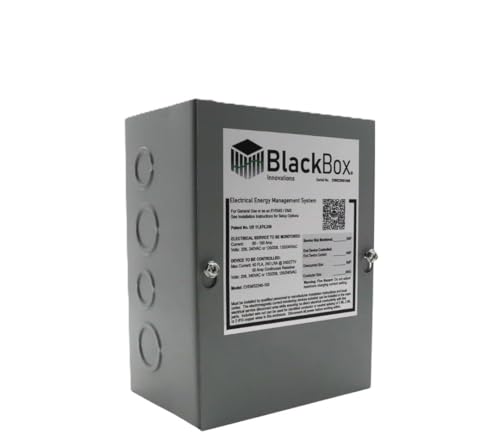
- Avoids a full panel upgrade
- Works with any EV charger
- Automatically pauses charging when needed
Best For: Retrofits where available service is tight and upgrades are expensive
Tesla smart charger

- Direct NACS/Tesla connection
- 48A hardwired Level 2 charging
- WiFi scheduling and energy data
Best For: Tesla owners who want a smart, no-adapter home charger
Solar-Ready Smart Charging
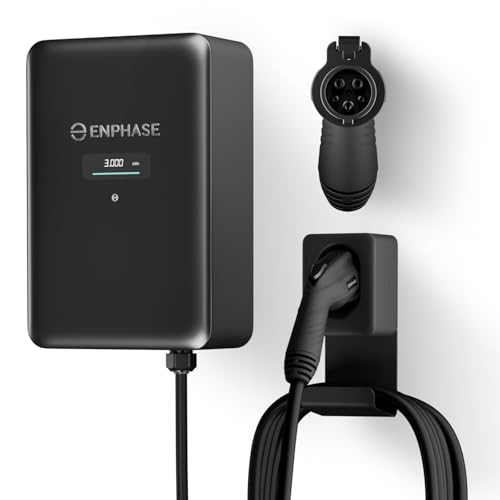
- 40A Level 2 charging up to 9.6 kW
- Works with home solar and smart charging modes
- Revenue grade meter and UL/Energy Star certified
Best For: Homeowners who want a solar-compatible smart charger with utility-friendly metering
High-Power Wi-Fi Wall Charger

- 48A Level 2 charging with a 25-foot cable
- Wi-Fi app control, scheduling, and energy tracking
- CSA certified with NEMA 4X waterproof housing
Best For: Drivers who want a fast, hardwired smart charger with weather resistance
Load-Balancing Plug-In Charger
ELECQ Smart Level 2 EV Charger

- 40A plug-in Level 2 charger with 25-foot cable
- Pairs with Power Monitor for dynamic load balancing
- Solar modes and OCPP-ready future-proof design
Best For: Homeowners who want plug-in convenience with load management and solar-aware charging
Smart Home EV Charging
Leviton Level 2 Wi-Fi EV Charger
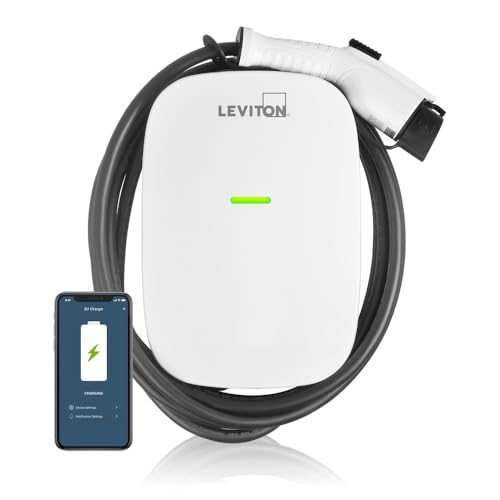
- My Leviton Wi‑Fi app control
- 48A hardwired Level 2 output
- Indoor/outdoor NEMA Type 3R build
Best For: Homeowners who want a trusted hardwired EV charger with app control
Flexible Access EV Charging
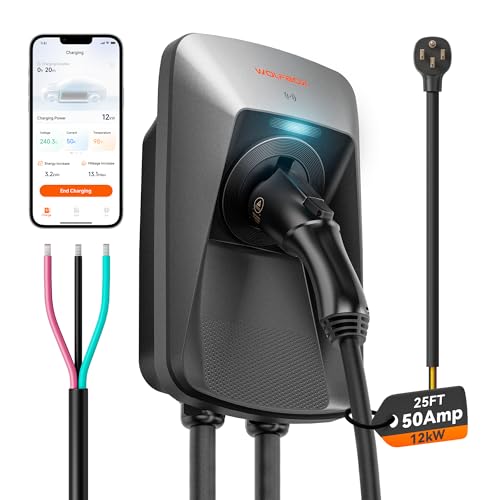
- App, RFID, and plug-and-charge access
- 50A hardwired charging up to 48 miles/hour
- CSA/FCC certified with 8 protections
Best For: Families or multi-driver households that want multiple access options
App-Control EV Charging

- Wi‑Fi app monitoring and scheduling
- RFID access plus smart display
- Includes Tesla adapter and 25-foot cable
Best For: EV owners who want app scheduling and Tesla-ready compatibility
Smart backup panel – Intelligent backup control for solar and EV loads
For shoppers comparing smart electrical panels for EV chargers, the EcoFlow Smart Gateway is built to manage backup power with six remotely controlled circuits and automatic load shedding. It is designed to work with DELTA Pro Ultra X, solar setups, EV chargers, and generators, making it a practical choice when you want critical circuits to stay online during outages.
Best For: Homeowners who want intelligent backup control for a few essential circuits during power interruptions.
Pros:
- Controls six circuits remotely for simpler energy management.
- Automatically sheds non-essential loads to help preserve backup power.
- Switches in under 20 ms for fast transfer behavior.
- Compatible with solar, EV chargers, generators, and DELTA Pro Ultra X.
Cons:
- Single-phase design may not suit every electrical setup.
- Handles six circuits, so larger homes may need more capacity.
- Panel-style installation is more involved than a basic plug-in solution.
This is a strong fit if your main goal is backup continuity rather than simple charging alone. It focuses on smart circuit control and fast switching, which can make EV-charger-related loads easier to manage when the grid goes down.
WiFi home charger – WiFi 48A hardwired home charger
If you want a straightforward home charging upgrade, this EV charger for smart electrical panels for EV chargers delivers hardwired Level 2 charging with WiFi app control and a 25-foot cable. It is built for J1772 vehicles, supports adjustable amperage, and includes scheduling features for off-peak charging.
Best For: Home EV owners who want a hardwired 48A charger with app-based scheduling and monitoring.
Pros:
- Up to 48A hardwired Level 2 charging for faster daily top-ups.
- WiFi app support for charging history, cost tracking, and scheduling.
- Adjustable amperage from 24A to 48A.
- 25-foot cable and NEMA Type 4 protection for flexible home installation.
Cons:
- Hardwired install means it is not a simple plug-in unit.
- Designed for J1772 vehicles, so Tesla drivers need an adapter.
- Requires attention to breaker and wiring requirements for 48A use.
This model is best when you want charging control features without moving up to a full panel-management system. The WiFi tools and adjustable current make it easier to match charging to your home’s available capacity and off-peak rates.
Load management helper – Service-saving panel alternative
Among smart electrical panels for EV chargers, the BLACKBOX stands out as a load management device that can help avoid a costly panel or service upgrade. It monitors available capacity on 60A to 100A service and automatically lets EV charging run when capacity allows, then stops charging when the home needs power elsewhere.
Best For: Homes that need EV charging without paying for a full electrical service upgrade.
Pros:
- Supports 16A through 48A charging rates for flexible EV use.
- Works with any brand of EV charger and any auto brand.
- Designed to manage load intelligently and halt charging when capacity is short.
- Fail-safe design and patented energy management approach.
Cons:
- EV charger is sold separately.
- Installation by a qualified electrician is strongly recommended.
- It is a load management system, not a full replacement EV charger.
This is a practical pick if your electrical service is the limiting factor. It is aimed at keeping EV charging possible while reducing the need for expensive infrastructure work, which can be a major advantage in retrofit installs.
Tesla smart charger – Tesla-ready 48A home charger
If you want a Tesla-friendly option in the smart electrical panels for EV chargers category, this Emporia Level 2 charger uses a NACS connection so no adapter is needed for Tesla vehicles. It supports hardwired installation up to 48A and adds WiFi-based energy tracking and scheduling for everyday home charging.
Best For: Tesla drivers who want a dedicated NACS home charger with smart app features.
Pros:
- NACS connector works directly with Tesla vehicles, no adapter required.
- Up to 48A hardwired charging for faster home sessions.
- WiFi connectivity for real-time energy data and scheduling.
- UL listed and ENERGY STAR certified for added peace of mind.
Cons:
- Preconfigured for hardwired install, so it is not the simplest DIY option.
- Best suited to NACS/Tesla vehicles rather than mixed J1772-only households.
- Requires 2.4 GHz WiFi for smart features.
This charger is a clean fit for a Tesla-centered garage where you want direct connector compatibility and app visibility. It does the charger side well, but it is more about smart charging convenience than whole-home load control.
Solar-Ready Smart Charging – Enphase IQ EV Charger 2
If you’re comparing smart electrical panels for EV chargers and want a charger that plays well with home energy systems, the Enphase IQ EV Charger 2 is built for that kind of setup. This 40A Level 2 unit delivers up to 9.6 kW, supports app-based control and RFID access, and can connect with home solar so you can charge with more of your own power. It’s also designed to help avoid overloads and trips, which can reduce the chance of needing costly electrical upgrades.
Best For: Homeowners who want a solar-compatible smart charger with utility-friendly metering and strong safety features.
Pros:
- Up to 9.6 kW charging with a 40A, 240V output
- Revenue grade meter supports utility rebate eligibility
- Connects with home solar and offers goal-based, green, and Storm Guard modes
- UL and Energy Star certified with multiple electrical protections
Cons:
- Uses a NEMA 14-50 plug rather than hardwired installation
- Single-port design only
- Best suited to users who want app-driven control and energy monitoring
This is a strong pick if you want charging that feels integrated into a broader home energy strategy. The combination of solar support, compliant metering, and overload protection makes it especially practical for efficiency-focused buyers.
High-Power Wi-Fi Wall Charger – WOLFBOX 48A Smart EV Charger
For shoppers evaluating smart electrical panels for EV chargers, the WOLFBOX Level 2 unit is a high-power wall-mounted option with the connectivity and controls many homes want. It delivers 48A charging, includes Wi-Fi app management, and lets you adjust current, schedule off-peak sessions, and track charging data in real time. The included 25-foot cable and NEMA 4X housing make it a flexible choice for indoor or outdoor installations.
Best For: Drivers who want a fast, hardwired smart charger with weather resistance and app-based scheduling.
Pros:
- 48A output for fast Level 2 charging
- Wi-Fi app control with scheduling and real-time monitoring
- CSA certified and built with NEMA 4X waterproof protection
- 4.3-inch LCD screen plus RFID card support
Cons:
- Designed for hardwired installation
- Recommended for a 60A or greater circuit breaker
- Tesla drivers need a special adapter for compatibility
This model stands out for buyers who want speed and day-to-day control in one package. Between the weatherproof enclosure, detailed display, and app features, it offers a solid balance of convenience and durability.
Load-Balancing Plug-In Charger – ELECQ Smart Level 2 EV Charger
If your search for smart electrical panels for EV chargers is really about avoiding panel upgrades, the ELECQ Smart Level 2 EV Charger is built around that problem. It offers 40A charging with a NEMA 14-50 plug and can pair with the ELECQ Power Monitor for dynamic load balancing between the charger and other household loads. It also adds solar charging modes, Wi-Fi/Bluetooth control, and OCPP compatibility for a more future-proof home setup.
Best For: Homeowners who want plug-in convenience with load management and solar-aware charging.
Pros:
- 40A Level 2 charging up to 38 miles of range per hour
- Works with the Power Monitor for dynamic load balancing
- Three solar charging modes plus app-based scheduling and history
- CSA certified, UL compliant, and NEMA 4 weatherproof
Cons:
- Full load-balancing benefits depend on the separate Power Monitor
- Hardwiring is recommended for homes without a 240V outlet
- Adjustable current requires careful setup with your electrical system
Overall, this charger is a strong fit for buyers who want to make the most of an existing electrical setup. Its emphasis on load management, solar integration, and protocol support makes it one of the more future-conscious choices in the group.
Smart Home EV Charging – Leviton Level 2 Wi-Fi EV Charger
If you’re comparing smart electrical panels for EV chargers, this Leviton Level 2 unit is a practical pick for homeowners who want app-based control tied into a broader smart-home setup. It supports the My Leviton app over Wi‑Fi, so you can manage charging alongside other home devices while getting a hardwired 48 amp Level 2 station for everyday use.
Best For: Homeowners who want a trusted hardwired EV charger with My Leviton app control and indoor/outdoor flexibility.
Pros:
- Works with the My Leviton app via Wi‑Fi for smart-home control
- 48 amp hardwired Level 2 charging with UL and Energy Star certification
- NEMA Type 3R enclosure and weather-ready cable for indoor or outdoor installation
- Pre-attached input cable and mounting hardware help simplify installation
Cons:
- Hardwired installation required
- Needs a 60 amp breaker
- RFID access control is disabled by default and must be activated if needed
Overall, this is a straightforward option if you want a branded charger that integrates with a home app rather than a more advanced load-management system. It fits well for buyers who value reliability, weather resistance, and simple control from a familiar ecosystem.
Flexible Access EV Charging – WOLFBOX 50A Smart Charger
For shoppers evaluating smart electrical panels for EV chargers, this WOLFBOX Level 2 model stands out for flexible control and strong safety features. It combines app control, RFID card access, and plug-and-charge convenience, while its 50 amp hardwired design and long 25-foot cable make it easier to place in garages or driveways.
Best For: Families or multi-driver households that want multiple access options and app-based charging controls.
Pros:
- App, RFID card, and plug-and-charge operation for flexible use
- Up to 48 miles of range per hour with 50 amp hardwired charging
- CSA/FCC certified and built to UL2594 standards with 8 protections
- 25-foot cable and NEMA 4X housing support indoor/outdoor placement
Cons:
- Hardwired installation requires a 70 amp or greater circuit breaker
- Tesla vehicles need a NACS adapter
This is a well-rounded choice if you want multiple ways to authorize charging and the ability to schedule sessions for off-peak hours. It suits buyers who care about protection features, cost-aware scheduling, and a longer cable for easier reach.
App-Control EV Charging – 50A Hardwired Smart Station
If you’re looking at smart electrical panels for EV chargers, this 50 amp hardwired station offers a simple mix of app control, scheduling, and access security. It supports Wi‑Fi monitoring, current adjustment, RFID card use, and includes a Tesla adapter, making it a flexible fit for many home charging setups.
Best For: EV owners who want app scheduling, RFID access, and Tesla-ready compatibility in one charger.
Pros:
- Wi‑Fi app control with real-time charging data and scheduled sessions
- 50 amp hardwired output with up to 48 miles of range per hour
- Includes RFID card function and a clear smart display
- Compatible with J1772 EVs and includes a Tesla adapter
Cons:
- Requires professional installation
- Needs a 70 amp or greater circuit breaker
- 120V indoor/outdoor wording may be confusing alongside the Level 2 setup details
This charger makes sense for buyers who want a feature-rich wall-mounted option without giving up practical scheduling and access control. Its long cable, included holder, and adapter make it especially useful for mixed-vehicle households.
How We Picked the Best Smart Electrical Panels for EV Chargers
We looked for products that solve real-world EV charging problems: load management, app-based control, compatibility with common home wiring setups, and features that make installation easier to plan. We also favored options with strong electrical ratings, smart connectivity, and support for current and future EV charging needs.
Because Smart Electrical Panels for EV Chargers can mean different things depending on the home, we included both panel-style energy management solutions and smart Level 2 chargers that work with them or cover similar load-balancing use cases.
Quick Comparison
If your goal is whole-home energy coordination, prioritize a panel or gateway with circuit control and solar integration. If you mainly want simpler charging control, a smart Level 2 charger with Wi-Fi, RFID, and load management may be enough. For homes that need to avoid service upgrades, look closely at products designed to limit peak demand or work within existing electrical capacity.
Key Buying Factors for Smart Electrical Panels for EV Chargers
Load Management
The most important feature is how well the system shares power between the EV charger and the rest of the home. Good load management can help you charge safely without tripping breakers or oversizing your service.
Electrical Compatibility
Check service size, breaker requirements, and whether the product supports hardwired or plug-in installation. Some homes will need a 240V hardwired setup, while others can use a NEMA 14-50 outlet.
Charging Speed and Output
Higher amperage usually means faster charging, but only if your panel and wiring can support it. Match the charger or panel output to your daily driving needs rather than chasing the highest number on the box.
Smart Features
Wi-Fi, app controls, RFID access, solar charging modes, and OCPP support can make a big difference if you want usage tracking, scheduling, or future integrations.
Indoor, Outdoor, and Cable Length
For everyday convenience, consider where the unit will be mounted, whether it needs weather protection, and whether the cable reaches both garage and driveway parking spots.
Who Should Buy Which Smart Electrical Panels for EV Chargers?
Homeowners planning a broader energy setup should lean toward panel or gateway-style systems that can coordinate EV charging with solar and backup power. Drivers who mainly want a reliable, connected charger may be better served by a smart Level 2 unit with load-aware features.
If you are trying to avoid an expensive electrical service upgrade, focus on products built for constrained homes and look carefully at their maximum output, installation method, and compatibility with your existing panel. In short, the best choice depends on whether you need whole-home control or simply smarter charging at the wall.
