

If you want faster home charging without overloading your electrical panel, smart EV chargers with load balancing are a smart upgrade. They can help distribute available power more efficiently while keeping daily charging simple.
Below, we’ve selected 10 standout options for different homes, wiring setups, and feature preferences so you can choose the right charger with confidence.
Best 10 Smart EV Chargers with Load Balancing Picks for 2026
Garage-Ready Load Balancing EV Charger

- 48A hardwired Level 2 charging
- 2.4 GHz app control and scheduling
- IP66/NEMA-4 weatherproof enclosure
Best For: Non-Tesla drivers wanting a permanent, smart home charger
Whole-Home PowerSmart Charger

- PowerSmart auto-balances load
- Includes Emporia Vue monitor
- 25-foot cable with app scheduling
Best For: Households that want charging tied to home energy monitoring
Panel-Smart Home Charger

- PowerSmart load balancing with no panel upgrade
- NEMA 14-50 plug-in flexibility
- Includes Emporia Vue energy monitor
Best For: Homeowners wanting a flexible plug-in load-balancing option
Home Power Manager
40-48A Smart Charger with Load Balancing

- Power sharing and dynamic load balancing
- Up to 11.5 kW / 40A-48A charging
- Dual temp sensors plus app scheduling
Best For: Households that want a high-power charger with smart load management
Trusted Wall Unit
32A Smart Charger for Everyday Use
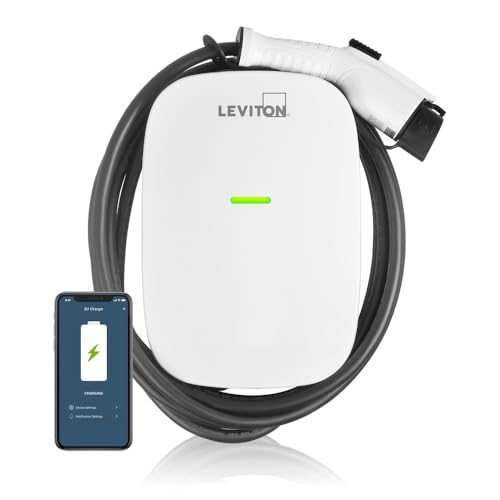
- Wi-Fi control through the My Leviton app
- Indoor/outdoor NEMA Type 3R enclosure
- UL and Energy Star certified
Best For: Everyday home charging with a trusted brand and simple app control
Solar-Aware Charger
40A Smart EV Charging with Utility Support
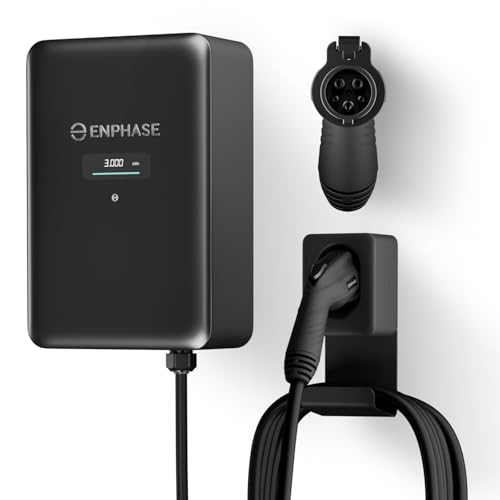
- Revenue-grade meter for rebate programs
- Solar charging and goal-based app modes
- Power adjustment helps prevent overloads
Best For: Homes with solar or utility rebate needs that also want smart load management
Smart Schedule Pick
WOLFBOX 48A Smart Display EV Charger

- App-based current adjustment and scheduling
- 4.3-inch LCD with charging status details
- CSA certified, NEMA 4X, 25ft cable
Best For: Homeowners who want a fast, app-controlled Level 2 charger
Premium App-Control Choice
Autel MaxiCharger Home 50A Smart EV Charger
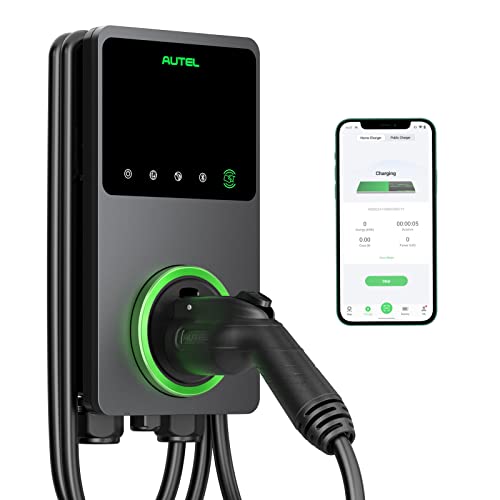
- 6A-50A output range for flexible charging
- Autel app tracks, schedules, and optimizes charging
- Bluetooth, Wi-Fi, Ethernet, CSA, NEMA 4X
Best For: Shoppers who want a premium smart charger with flexible connectivity
Multi-User Control Pick
WOLFBOX WE48 Smart RFID EV Charger

- App, RFID card, and plug-and-charge access
- Adjustable amperage with schedule planning
- CSA/FCC certified, NEMA 4X, 25ft cable
Best For: Families that want flexible access and smart charging controls
Garage-Ready Load Balancing EV Charger – EVIQO 48A WiFi Level 2
If you want smart EV chargers with load balancing features built into a simple home setup, the EVIQO Level 2 charger is a strong fit for non-Tesla drivers who need fast overnight charging and app-based control. It delivers up to 48A on a dedicated 60A/240V circuit, with a 50A mode available via DIP switch settings if your electrical service supports it.
Best For: Non-Tesla EV owners who want a hardwired, weatherproof charger with app control and flexible current settings.
Pros:
- Up to 48A charging on a dedicated hardwired circuit, with a 50A option for supported setups
- Smart app control for start/stop, current adjustment, charging reminders, and energy tracking
- 25-foot cable and illuminated holster make garage and driveway use easier
- UL, ETL, FCC, and Energy Star certifications plus IP66/NEMA-4 weather protection
Cons:
- Hardwired installation requires a licensed electrician
- WiFi smart features need a 2.4 GHz network connection
- Best current settings depend on your home circuit and vehicle compatibility
The EVIQO stands out for buyers who want a durable, outdoor-ready charger with practical app controls and a long cable. It is less plug-and-play than some options, but the feature set is well matched to homeowners planning a permanent install.
Whole-Home PowerSmart Charger – Emporia Pro 48A Hardwire
Among smart EV chargers with load balancing, the Emporia Pro is built around PowerSmart technology that works with your existing electrical panel to automatically balance load while still delivering up to 48A. It also includes the Emporia Vue energy monitor, so you can see more of your home’s power use while managing charging from the app.
Best For: Homeowners who want load-aware charging and deeper insight into whole-home energy use.
Pros:
- PowerSmart automatically balances load on your existing panel
- Emporia app supports schedules, real-time usage tracking, and peak-rate avoidance
- Includes Emporia Vue home energy monitor for broader energy visibility
- Offers hardwired or NEMA 14-50 installation options and a 25-foot cable
Cons:
- Hardwired setup or outlet installation may still require an electrician
- Load-balancing benefits depend on your home electrical setup
- Focused on J1772 vehicles, so Tesla drivers need an adapter
This model is especially appealing if you want your charger to work as part of a larger home energy system, not just as a wall box. The combination of load balancing, app control, and included monitoring makes it a strong utility-conscious pick.
Dynamic Power Sharing EV Station – IYILO 48A Smart Charger
If you’re shopping for smart EV chargers with load balancing and want more advanced control, the IYILO upgraded Level 2 charger adds dynamic load balancing, power sharing, and app-based current management. It delivers up to 48A, includes dual temperature sensors, and is designed for both indoor and outdoor use in a rugged IP66 enclosure.
Best For: Buyers who want smart current allocation, power sharing, and extra safety features in one charger.
Pros:
- Dynamic load balancing and power sharing help manage home electrical demand
- Dual temperature sensors add thermal protection during high-power charging
- Smart app supports charging schedules, real-time status, and energy diagnostics
- RFID cards and multiple certifications add convenience and confidence
Cons:
- Hardwired installation means it is not a simple portable plug-in solution
- App-based features are central to the experience
- Utility program participation may vary by location
The IYILO is a compelling option if you want a charger that does more than just deliver power. Its load-balancing tools and safety extras make it a practical choice for homes that need smarter current management.
Panel-Smart Home Charger – Emporia Pro 48A NEMA 14-50
The Emporia Pro with NEMA 14-50 gives you the same PowerSmart approach as the hardwired version, making it a useful choice if you want smart EV chargers with load balancing but prefer a plug-in setup. It can automatically balance load on your existing electrical panel while the app helps manage schedules, usage, and energy costs.
Best For: Drivers who want a plug-in or hardwired load-balancing charger with home energy monitoring.
Pros:
- PowerSmart automatically balances load without requiring a panel upgrade
- NEMA 14-50 plug-in setup offers installation flexibility
- Includes Emporia Vue for real-time home energy insights
- App-based scheduling and usage tracking support smarter charging habits
Cons:
- Plug-in installation still depends on having the right outlet and circuit
- J1772 connector means Tesla owners need an adapter
- Best features rely on using the Emporia app and supporting hardware
This version is ideal if you want the same load-aware charging benefits but need more flexibility in how you install it. It is a practical pick for homeowners who value monitoring, scheduling, and easier setup options.
Home Power Manager – 40-48A Smart Charger with Load Balancing
If you want smart EV chargers with load balancing for a home setup that can handle higher output, this IYILO Level 2 station is built around current management, scheduling, and thermal protection. It supports power sharing and dynamic load balancing, so it is aimed at households that want faster charging without pushing the main circuit too hard.
Best For: Homeowners who want a high-power Level 2 charger with app control, load balancing, and utility-program support.
Pros:
- 40A-48A Level 2 charging with up to 11.5 kW output for faster overnight replenishing.
- Dynamic load balancing and smart current allocation help reduce breaker-tripping risk.
- Dual temperature sensors add an extra layer of thermal monitoring during high-power sessions.
- Wi-Fi app control, scheduling, RFID, and OCPP 1.6 support add flexible smart features.
Cons:
- Requires a hardwired installation approach for a proper setup.
- Wi-Fi support is limited to 2.4 GHz networks.
- Some users may not need the higher-amperage and power-sharing features.
This is a strong fit if your priority is balancing charging speed with smarter home power management. It combines a long list of controls and certifications with a clear focus on protecting the electrical system while still charging quickly.
Trusted Wall Unit – 32A Smart Charger for Everyday Use
For buyers comparing smart EV chargers with load balancing in a simpler, brand-name package, this Leviton Level 2 station focuses on dependable daily charging and home-system control through the My Leviton app. It is a 32A hardwired unit, so it fits best where you want a straightforward indoor or outdoor charger rather than maximum output.
Best For: Drivers who want a trusted, hardwired smart charger for routine home charging and app-based control.
Pros:
- Works with the My Leviton app via Wi-Fi for home energy control.
- NEMA Type 3R water-resistant enclosure supports indoor and outdoor installation.
- Pre-attached input cable and included mounting hardware help simplify installation.
- UL and Energy Star certification add confidence for a mainstream home setup.
Cons:
- Max output is 32A, so it is not the highest-power option here.
- Requires hardwiring and a 40A breaker.
- RFID access control is optional and disabled by default.
This model stands out more for reliability and ease of integration than for advanced power-sharing features. It is a practical pick if you want a recognized brand, app connectivity, and weather-ready construction without overcomplicating the install.
Solar-Aware Charger – 40A Smart EV Charging with Utility Support
If you are shopping for smart EV chargers with load balancing and also care about solar integration, the Enphase IQ EV Charger 2 brings together charging control, energy monitoring, and utility-friendly hardware. It is a 40A Level 2 charger with Wi-Fi and Bluetooth, and it includes features designed to adjust power and help prevent overloads.
Best For: Homeowners with solar, utility rebate goals, or limited electrical headroom who want a connected charger.
Pros:
- 40A Level 2 charging delivers up to 9.6 kW in a compact design.
- Revenue-grade meter supports utility rebate program eligibility.
- Adjusts power to help prevent tripping and overloads.
- Solar charging, app-based control, RFID access, and 5-year warranty add value.
Cons:
- Uses a NEMA 14-50 plug rather than a hardwired-only design.
- Best feature set may be more than basic users need.
- Higher-end smart functionality can come with a more complex setup.
This charger is a strong option if you want smart charging that works well with solar and utility incentives. Its load-management behavior, monitoring, and connected features make it especially appealing for homes that need more than a basic plug-in charger.
Smart Schedule Pick – WOLFBOX 48A Smart Display EV Charger
If you want smart EV chargers with load balancing features in a practical home setup, this WOLFBOX 48A unit is built around app-based control, current adjustment, and scheduled charging. It does not explicitly list load balancing, so the smart management tools are the main way to control charging behavior and reduce strain on your home setup while taking advantage of off-peak rates.
Best For: Drivers who want a hardwired Level 2 charger with smart controls, voice assistant support, and weather-ready construction.
Pros:
- Adjust current, schedule sessions, and monitor charging data through the app.
- 4.3-inch LCD shows charging rate, time, voltage, and charged amount.
- CSA certified with NEMA 4X housing for indoor or outdoor use.
- 25-foot cable and J1772 compatibility add everyday convenience.
Cons:
- Load balancing is not specifically listed in the product notes.
- Tesla owners need a separate adapter.
- Hardwired installation requires a qualified electrician.
Overall, this is a strong pick if you want a fast, connected charger with useful scheduling and sharing features. It is more about smart control than advanced energy management, so buyers focused on load balancing should verify that capability separately.
Premium App-Control Choice – Autel MaxiCharger Home 50A Smart EV Charger
For shoppers comparing smart EV chargers with load balancing features, the Autel MaxiCharger stands out for its flexible app controls and wide connectivity options. The supplied notes do not claim built-in load balancing, but the charger does let you track, manage, schedule, and optimize charging so you can better align sessions with household usage and off-peak electricity rates.
Best For: Buyers who want a premium hardwired charger with strong app management, multiple connection options, and a long warranty.
Pros:
- Charging range from 6A to 50A lets you tailor speed to your routine.
- Autel Charge app supports tracking, scheduling, and optimization.
- Bluetooth, Wi-Fi, Ethernet, CAN, and RS485 connectivity.
- CSA certified, NEMA 4X rated, and backed by a 3-year warranty.
Cons:
- Load balancing is not specifically mentioned in the product details.
- Hardwired installation may require professional setup.
- At 50A, it may be more charger than some homes need.
This is a polished option if you want a feature-rich home EVSE with serious smart controls and broad compatibility. If load balancing is your main priority, confirm whether your installation plan handles that separately.
Multi-User Control Pick – WOLFBOX WE48 Smart RFID EV Charger
If you’re narrowing down smart EV chargers with load balancing features, the WOLFBOX WE48 is useful because it gives you adjustable amperage, app scheduling, and manual dial-code matching to your panel. The notes do not state true load balancing, but the adjustable output and smart cost-saving features help you manage charging more carefully at home.
Best For: Households that want multiple easy ways to start charging and a smart charger that can be tuned to the home’s electrical setup.
Pros:
- App control, RFID card access, and plug-and-charge flexibility.
- Adjustable amperage and dial-code matching to reduce overload risk.
- Schedules multiple charging sessions and calculates rate-based costs.
- CSA and FCC certified with NEMA 4X protection.
Cons:
- Load balancing is not explicitly listed in the supplied notes.
- Tesla vehicles need a NACS adapter.
- Hardwired installation should be done on a 60A+ breaker by a professional.
This WOLFBOX model makes sense if you want a charger that is flexible for multiple users and practical for everyday scheduling. It leans on amperage control and smart session planning rather than a clearly stated load-balancing system.
How We Picked the Best Smart EV Chargers with Load Balancing
We focused on Smart EV Chargers with Load Balancing that offer a practical mix of charging speed, safety features, connectivity, and installation flexibility. Priority went to models with strong amperage options, reliable app control, and useful protections such as temperature monitoring, weather resistance, and scheduling. We also considered whether each charger fits common home setups like hardwired installation or NEMA plug-in use.
Quick Comparison
At a high level, the list covers high-output 40A to 50A-class chargers for faster daily charging, plus a few lower-amperage models for homes that may not need maximum speed. Some are best for hardwired permanent installs, while others offer plug-in convenience. A few add extras like RFID access, smart displays, or advanced energy management features that may matter in shared-driveway or multi-EV households.
Key Buying Factors for Smart EV Chargers with Load Balancing
Charging Speed and Amperage
Match the charger’s output to your vehicle and electrical capacity. Higher amperage can reduce charging time, but only if your home circuit and installation support it. Many buyers will find 32A to 48A the most practical range for Level 2 charging.
Load Balancing and Energy Management
For Smart EV Chargers with Load Balancing, look for clear support for sharing available power across multiple chargers or other household electrical loads. This is especially important in homes with more than one EV, limited panel headroom, or plans to add solar or battery storage later.
Installation Type
Hardwired chargers often deliver a cleaner permanent setup and are common in higher-power units. Plug-in models can be easier to relocate or replace, but they still need the right outlet and circuit. Choose based on your garage layout, electrician’s recommendation, and long-term flexibility.
Connectivity and Controls
Wi-Fi, Bluetooth, app scheduling, and access control can make charging easier to manage during off-peak hours. If multiple drivers use the same charger, features like RFID or user profiles can be a big plus.
Who Should Buy Which Smart EV Chargers with Load Balancing?
If you want the fastest everyday home charging, prioritize 48A or similar high-output models with strong smart controls. If your electrical service is tighter, choose a charger with dynamic load balancing and lower amperage to stay within safe limits. Homeowners with two EVs should look closely at power-sharing features. If convenience matters most, pick a unit with a simple app, clear status indicators, and the right plug or hardwired setup for your space.
In short, the best choice depends on your panel capacity, vehicle needs, and how much control you want over charging habits. The right charger should fit your home first and your charging speed second.
