

If you want backup power that is quiet, fuel-free, and ready when the grid goes down, solar generators are one of the most practical options.
This roundup of the best solar generators for home backup in 2026 focuses on capacity, output, charging speed, and real-world emergency usefulness.
Best 10 Solar Generators for Home Backup Picks for 2026
Premium Expandable Home Backup
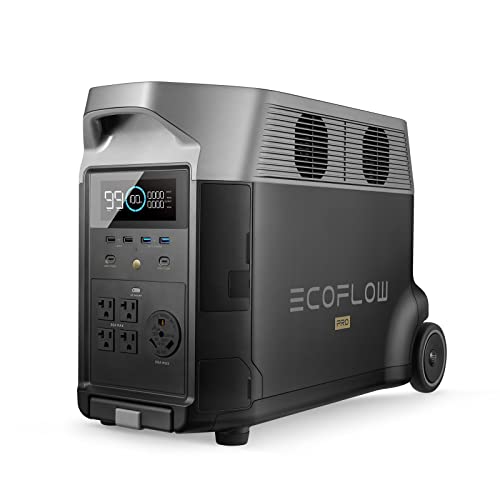
- 3,600Wh LFP battery with expandable capacity
- 3,600W output, up to 7,200W in parallel
- Fast charging plus app-based monitoring
Best For: homeowners who want scalable backup power for outages
High-Power Dual-Voltage Backup
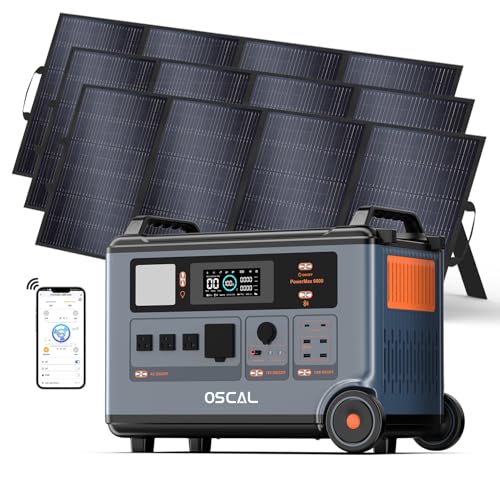
- 6,000W output with 120V/240V dual voltage
- Includes 3 x 400W solar panels
- 5-8 ms EPS switchover for outages
Best For: households needing high-output dual-voltage backup with panels included
Whole-Home Friendly Expandable Pack
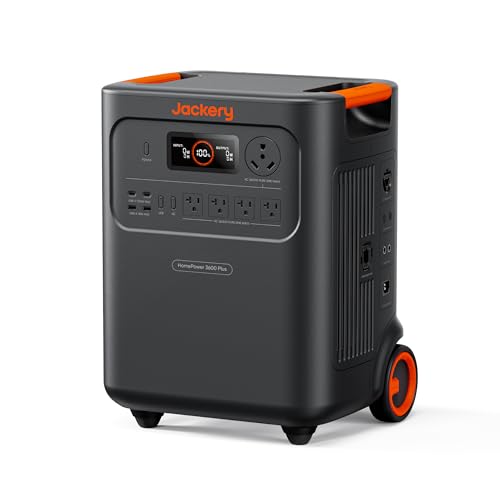
- 3,584Wh capacity expandable to 21kWh
- 3,600W output with parallel dual-voltage support
- Plug-and-play design with wheels and handle
Best For: families wanting an easy-to-use expandable home backup
Compact UPS-Ready Backup

- 1,024Wh LiFePO4 battery with 2,000W output
- Full recharge in 49 minutes with HyperFlash
- Under 10 ms UPS switchover for electronics
Best For: compact essential backup and fast UPS-style protection
Premium Whole-Home Backup Pick

- 3600W output with 7200W surge for home essentials
- <20ms UPS for routers, cameras, and critical devices
- 3072Wh LFP battery with fast AC/DC and solar charging
Best For: Homes needing powerful, fast-switching backup for essential appliances
Expandable High-Capacity Backup Pick

- 3840Wh battery expands to 11520Wh for longer backup
- 3600W rated output with 4500W peak for most appliances
- 15 ports and 10ms UPS for flexible home use
Best For: Buyers who want a large, expandable power station for outage coverage
Compact Fridge-Backup Pick
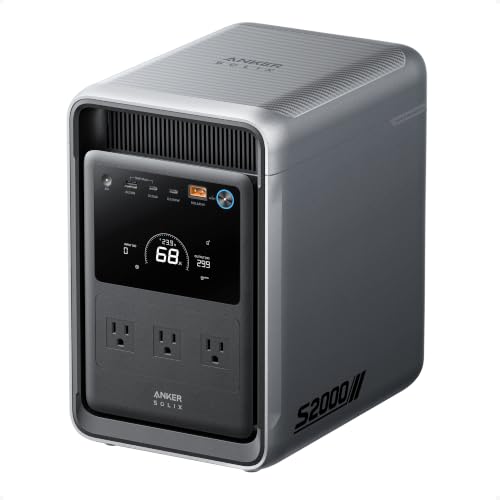
- 2,010Wh LFP battery with up to 35-hour fridge backup
- 1,500W continuous output and <10ms UPS
- Compact 35.7-lb build with 8 outlets
Best For: Compact home backup for essentials, office gear, and extended fridge runtime
Compact Fast-Charge Backup
EcoFlow DELTA 3 Classic, 1024Wh LiFePO4
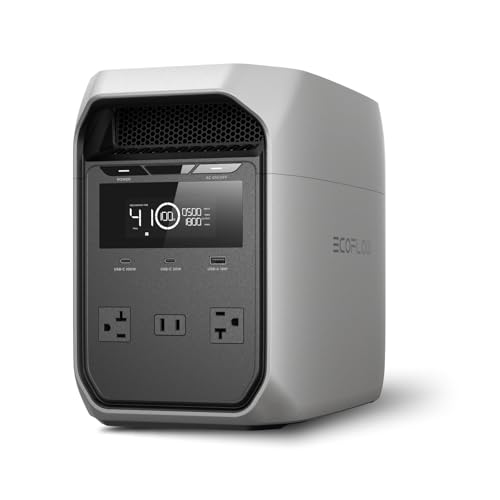
- 1800W output with 3600W surge
- 0-80% AC charge in 45 minutes
- <10ms UPS and app control
Best For: Quick home backup for essentials and fast recharging
High-Capacity Quiet Backup
EcoFlow DELTA 3 Ultra with 400W Panel
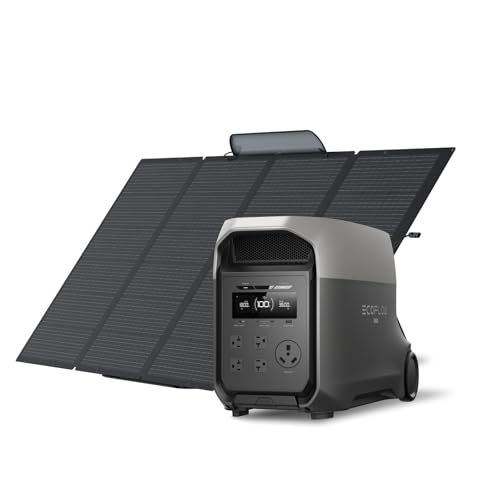
- 3072Wh capacity and 3600W output
- 25dB quiet operation under load
- Four charging methods including solar
Best For: Big home backup loads and quiet overnight use
Portable 2kWh Home Backup

- 2042Wh LiFePO4 battery
- 2200W output with 3 AC ports
- 20ms UPS and quiet charging mode
Best For: Portable home backup with fast charging and low noise
Premium Expandable Home Backup – EcoFlow DELTA Pro
If you want solar generators for home backup that can handle heavy-duty loads, the EcoFlow DELTA Pro is built for serious emergency power. Its 3,600Wh LFP battery, 3,600W output, and expandable ecosystem make it a flexible choice for keeping essential appliances and multiple devices running during outages.
Best For: Homeowners who want a high-capacity, expandable backup system with fast charging and app control.
Pros:
- 3,600Wh LFP battery with expansion options up to 25kWh
- 3,600W AC output, expandable to 4,500W with X-Boost, and up to 7,200W in parallel
- Fast recharge options, including 2.7 hours from a wall outlet or 2.8 hours with 4 x 400W solar panels
- 15 output methods and smart app control over Wi-Fi or Bluetooth
Cons:
- At 99 pounds, it is not a lightweight grab-and-go unit
- Top-end setup and expansion are aimed more at committed home backup buyers than casual users
This is a strong fit if you want a solar generator that goes beyond basic essentials and can scale with your backup needs. The DELTA Pro stands out for flexibility, charging speed, and control, making it one of the more capable home-ready options here.
High-Power Dual-Voltage Backup – OSCAL PowerMax 6000
The OSCAL PowerMax 6000 is one of the more powerful solar generators for home backup in this group, especially if you need both 120V and 240V support. With a 3,600Wh capacity, 6,000W output, and included solar panels, it is aimed at households that want broad appliance compatibility and fast recovery after an outage.
Best For: Homes that need dual-voltage backup power, fast charging, and included solar panels.
Pros:
- 6,000W AC output with 9,000W peak and 120V/240V dual-voltage support
- Includes 3 x 400W solar panels for a more complete package
- Fast recharge times: 0-100% in 1.44 hours with AC or 1.96 hours in typical use
- EPS switchover in 5-8 ms helps keep connected equipment running during interruptions
Cons:
- At 45.5 kg, it is a heavy system to move around frequently
- The larger power output may be more than some households need
For buyers who want a bundled solar backup solution with serious output and dual-voltage flexibility, the PowerMax 6000 is a practical pick. Its fast charging and built-in UPS-style behavior make it especially appealing for outage readiness.
Whole-Home Friendly Expandable Pack – Jackery HomePower 3600 Plus
If you are comparing solar generators for home backup and want something designed around everyday household use, the Jackery HomePower 3600 Plus is a strong candidate. It combines 3,584Wh of LFP capacity, 3,600W output, and expandable storage with an easy plug-and-play setup that avoids complicated installation.
Best For: Families who want a plug-and-play backup unit with expandable capacity and dual-voltage support.
Pros:
- 3,584Wh capacity with expansion up to 21kWh per unit
- 3,600W output, or 7,200W in parallel, with 120V and 240V support in parallel
- Four charging options, including 0-100% in 2 hours via hybrid AC+DC
- Lightweight for its class, with wheels and a telescopic handle for easier moving
Cons:
- Solar panel is optional, so the full solar setup costs more separately
- Only 2 outlets are listed in the product details, which may limit direct plug-in flexibility
The HomePower 3600 Plus is especially appealing if you want strong backup power without a permanent installation project. Its combination of portability, expansion potential, and quick charging makes it one of the most household-friendly options in this roundup.
Compact UPS-Ready Backup – Anker SOLIX C1000 Gen 2
For smaller-scale solar generators for home backup, the Anker SOLIX C1000 Gen 2 focuses on speed, portability, and dependable UPS performance. With 1,024Wh capacity, 2,000W output, and very fast charging, it is a practical choice for keeping critical electronics and a few essential devices powered during an outage.
Best For: Buyers who want a compact backup station for essentials, UPS use, and quick recharging.
Pros:
- 1,024Wh LiFePO4 battery with 2,000W output and 3,000W peak
- Full recharge in 49 minutes at 1,600W with HyperFlash tech
- Under 10 ms UPS switchover for sensitive devices like CPAP machines and laptops
- Compact build that is 14% smaller and 11% lighter than similar models
Cons:
- Much lower capacity than larger home backup units in this roundup
- Best suited to essentials rather than extended whole-home use
The C1000 Gen 2 makes sense if you want backup power that is easy to carry and fast to recharge, not a large permanent-style reserve. It is especially well matched to sensitive electronics, short outages, and smaller backup needs.
Premium Whole-Home Backup Pick – Jackery HomePower 3000
If you’re comparing solar generators for home backup, the Jackery HomePower 3000 stands out for households that want serious output in a relatively portable package. With 3600W continuous power, a 3072Wh LFP battery, and UL-certified UPS switchover in under 20ms, it is built to keep core appliances and sensitive electronics running through outages.
Best For: Homes that need high-output backup for refrigerators, WiFi, lights, medical devices, and fast UPS protection.
Pros:
- 3600W output and 7200W surge support household essentials and heavier loads.
- <20ms UPS helps keep devices like security cameras and routers online during outages.
- Multiple AC, USB-C, USB-A, and DC ports, plus a TT-30 RV port for flexible use.
- Fast recharging options, including 1.7-hour hybrid AC/DC charging and solar support.
Cons:
- Solar panels are optional, so solar charging requires an extra purchase.
- At 59.5 pounds, it is not the lightest option to move around frequently.
Overall, this is a strong choice if your priority is dependable home backup with fast UPS behavior and enough output to cover a broad range of essentials. It also adds long-term value with LiFePO4 chemistry and a rated 4,000-cycle lifespan.
Expandable High-Capacity Backup Pick – ABOK Ark3600
Among solar generators for home backup, the ABOK Ark3600 is aimed at buyers who want a large battery, lots of outlets, and expansion potential. Its 3840Wh LiFePO4 battery, 3600W rated output, and 10ms UPS make it practical for keeping household gear running while also offering room to grow with added capacity.
Best For: Users who want a high-capacity backup station with expandability, many ports, and fast charging.
Pros:
- 3840Wh capacity expands up to 11520Wh for much longer runtime potential.
- 3600W rated output and 4500W peak power support 99% of household appliances.
- 15 output ports make it easy to power multiple devices at once.
- AC + PV charging can refill it in about 1.29 hours, and the UPS switches in 10ms.
Cons:
- Best performance depends on compatible solar panels and inverters.
- Charging may be delayed in temperatures below 32°F (0°C).
This is a compelling option if you want a flexible backup system that can scale over time. The wheels, telescoping handle, and Bluetooth app also make the Ark3600 easier to manage than many large-capacity units.
Compact Fridge-Backup Pick – Anker SOLIX S2000
If you want solar generators for home backup without jumping to a huge, heavy system, the Anker SOLIX S2000 is built around efficiency and everyday essentials. Its 2,010Wh LFP battery, 1,500W continuous output, and <10ms UPS make it a practical fit for home office gear, appliances, and especially fridge backup.
Best For: Smaller homes, apartments, and users who want a compact backup unit for essentials and fridge runtime.
Pros:
- Runs a fridge for up to 35 hours thanks to low idle draw and higher efficiency.
- 1,500W output handles 99% of home essentials and 3,000W peak loads.
- 10,000-cycle LFP battery is rated for long service life.
- Compact and lightweight at 35.7 lbs, with 8 outlets and dual-sided layout.
Cons:
- Smaller 2kWh class capacity may not suit whole-home backup needs.
- No 12V DC port, which may limit some accessory use.
The SOLIX S2000 is a smart pick when space, weight, and efficiency matter as much as backup runtime. It offers enough output for core household needs while staying easier to place, carry, and integrate into a home setup.
Compact Fast-Charge Backup – EcoFlow DELTA 3 Classic, 1024Wh LiFePO4
If you want solar generators for home backup that can move fast when the power goes out, the EcoFlow DELTA 3 Classic is built around speed and flexibility. Its 1800W output, <10ms UPS switch, and fast AC charging make it a practical pick for keeping essential home devices running with less waiting.
Best For: Homeowners who want a compact, fast-charging backup unit for refrigerators, routers, laptops, and other everyday essentials.
Pros:
- 1800W output with 3600W surge and X-Boost support for heavier household loads
- 0-80% recharge in 45 minutes via AC charging
- <10ms UPS helps protect sensitive electronics from downtime
- LiFePO4 battery is rated for 10+ years of daily use
Cons:
- Solar panel is optional, so solar setup costs extra
- Not compatible with DELTA 2 Smart Extra Battery or Delta 3 Series Smart Extra Battery
- At 1024Wh, it offers less capacity than larger home-backup models
This is a strong middle-ground option if you value quick recovery time and everyday reliability over maximum capacity. The app-based controls and optional 500W solar recharge give it extra versatility for outage preparedness.
High-Capacity Quiet Backup – EcoFlow DELTA 3 Ultra with 400W Panel
For solar generators for home backup that prioritize capacity and quiet operation, the EcoFlow DELTA 3 Ultra stands out. With 3072Wh of LiFePO4 storage, 3600W output, and a whisper-quiet 25dB operating profile under load, it is positioned for heavier household needs and overnight use.
Best For: Larger home backup needs, RV users, and anyone who wants high-capacity power with very low noise.
Pros:
- 3072Wh capacity with 3600W continuous output and 7200W surge
- 25dB under load for quiet backup power
- <10ms UPS supports uninterrupted power for sensitive devices
- Four charging options: wall, solar, car, or EcoFlow Smart Generator
Cons:
- Power station and 400W solar panel ship separately
- Larger capacity and bundled panel make it a heavier-duty, less portable setup
- Solar-specific performance depends on panel and charging conditions
This model makes sense if you want more runtime headroom for outages and a package that can scale into home, RV, or off-grid use. The durable LiFePO4 battery and 24/7 protection system add to its long-term appeal.
Portable 2kWh Home Backup – Jackery Explorer 2000 v2
If you are comparing solar generators for home backup and want a compact 2kWh-class option, the Jackery Explorer 2000 v2 is a strong all-around pick. It pairs a 2042Wh LiFePO4 battery with 2200W output, quick charging modes, and quiet operation for emergencies or everyday backup use.
Best For: Users who want a lighter 2kWh backup station for home essentials, camping, or small business power support.
Pros:
- 2042Wh capacity with 2200W output across 3 AC ports
- 0-80% AC charging in 66 minutes and solar charging in as few as 6 hours
- 20ms seamless UPS switching for outage protection
- Silent Charging Mode runs at less than 30dB
Cons:
- Solar panel is optional, so solar charging requires separate hardware
- At 39.5 lbs, it is lighter than many 2kWh units but still not ultra-light
- Less output than larger 3600W-class home backup models
This Jackery fits buyers who want dependable backup without jumping to a very large, heavy system. Its balance of portability, fast charging, and long-life LiFePO4 storage makes it easy to recommend for practical emergency planning.
How We Picked the Best Solar Generators for Home Backup
We looked for Solar Generators for Home Backup with enough battery capacity to keep essentials running, strong AC output for common household appliances, fast recharge options, and LiFePO4 batteries for long service life. We also favored models with clear expansion paths, UPS-style switching, and useful port selection.
Quick Comparison
The best choice depends on your backup goal. Smaller units are better for phones, Wi-Fi, lights, and medical devices, while larger systems are better for refrigerators, sump pumps, CPAP machines, and longer outages. If you want the most flexibility, prioritize expandable batteries and higher inverter output. If portability matters most, a smaller, faster-charging unit may be the smarter buy.
Key Buying Factors for Solar Generators for Home Backup
Battery Capacity
Measured in watt-hours, capacity determines how long the unit can run your devices. A 1,000Wh class unit is good for short-term essentials, while 3,000Wh and above is better for meaningful home backup.
AC Output and Surge Handling
Look for enough continuous wattage to start and run your appliances. Motors and compressors often need extra surge power, so a higher surge rating is valuable for refrigerators, tools, and pumps.
Charging Speed
Fast wall charging can be a major advantage during short outages. Solar input matters too if you plan to recharge during multi-day blackouts.
Expansion and Backup Features
Some Solar Generators for Home Backup can be expanded with extra batteries, making them more future-proof. UPS or switchover support is also important if you need near-instant backup for networking gear or sensitive electronics.
Battery Chemistry and Lifespan
LiFePO4 batteries are generally preferred because they offer strong cycle life and stable performance. For a backup system, durability matters as much as raw power.
Who Should Buy Which Solar Generators for Home Backup?
If you mainly want to keep devices charged and essential electronics online, choose a compact, fast-charging model. If your goal is refrigerator coverage, longer runtime, or whole-room backup, step up to a larger high-output unit. For households that want a long-term emergency power solution, an expandable platform is usually the best value.
In short, match the generator to your outage plan: light essentials, critical appliances, or broader home resilience. That approach will help you get the right balance of capacity, portability, and cost.
