

If you want whole-home Wi-Fi without the slowdowns that can happen with crowded, single-band setups, dedicated backhaul is the feature to look for. It helps mesh nodes communicate efficiently so more of your bandwidth stays available for phones, laptops, TVs, and smart home devices.
This roundup focuses on mesh Wi-Fi systems with dedicated backhaul for homes that need stronger coverage, better stability, and easier expansion. Whether you care most about Wi-Fi 7 speed, wired-backhaul flexibility, or value-friendly coverage, there is a strong fit here.
Best 10 Mesh WiFi Systems with Dedicated Backhaul Picks for 2026
Ultimate Wi‑Fi 7 Flagship

- Wi-Fi 7 tri-band mesh with up to 22 Gbps
- Simultaneous wireless and wired backhaul support
- Two 10G and two 2.5G ports for fast wired setups
Best For: Large homes and power users who want future-proof mesh networking
Secure Tri-Band Mesh
NETGEAR Orbi 770 Series RBE773

- Wi-Fi 7 tri-band mesh with Enhanced Backhaul
- Covers up to 8,000 sq. ft. and 100 devices
- Built-in security features and automatic updates
Best For: Large homes needing premium coverage and security
Value Wi‑Fi 7 Mesh
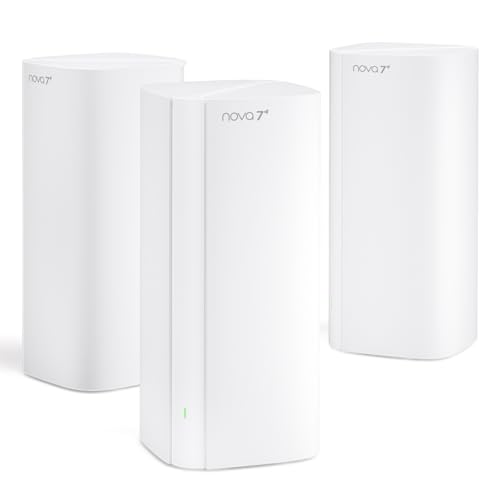
- Wi-Fi 7 dual-band mesh with MLO
- Ethernet backhaul for steadier node links
- Covers up to 6,600 sq. ft. and 160+ devices
Best For: Budget-conscious homes that still want wired backhaul
Best Value Tri-Band 6E

- Tri-band Wi-Fi 6E with 6 GHz backhaul
- Covers up to 7,200 sq. ft. and 200 devices
- AI-driven mesh roaming with HomeShield
Best For: Value seekers who want stable tri-band mesh coverage
Budget-Friendly Wi-Fi 7 Mesh
TP-Link Deco 7 BE25 Dual-Band 3-Pack

- Wi-Fi 7 dual-band mesh with 2.5G wired backhaul support
- Covers up to 6,600 sq. ft. and over 150 devices
- Includes AI-Roaming, HomeShield, and VPN support
Best For: Large homes wanting simple Wi-Fi 7 mesh coverage with wired backhaul
High-Speed Premium Mesh
NETGEAR Orbi 770 WiFi 7 2-Pack

- Tri-band Wi-Fi 7 system rated up to 11Gbps
- Enhanced Backhaul supports fast, reliable mesh links
- Covers up to 5,500 sq. ft. with Armor security
Best For: Premium buyers wanting fast Wi-Fi 7 mesh with reliable backhaul
Ultra-Performance Wired Backhaul Mesh

- Tri-band Wi-Fi 7 mesh with up to 22Gbps class speeds
- Supports simultaneous wireless and wired backhaul
- Dual 10G ports plus 2.5G ports for multi-gig setups
Best For: Power users wanting top-tier mesh speed and flexible wired backhaul
Budget-Friendly Whole-Home Coverage
TP-Link Deco X55 AX3000 WiFi 6 Mesh System

- Covers up to 6,500 sq. ft.
- Supports wired Ethernet backhaul
- Handles up to 150 devices
Best For: Larger homes wanting reliable Wi‑Fi 6 mesh coverage with wired backhaul flexibility
Wi-Fi 7 Powerhouse for Wired Backhaul
TP-Link Deco 7 Elite BE85 WiFi 7 Mesh System

- Wi‑Fi 7 with 22 Gbps class speeds
- Simultaneous wireless and wired backhaul
- 2x 10G plus 2x 2.5G ports
Best For: High-end networks needing Wi‑Fi 7 speed, 10G ports, and flexible backhaul
Value-Oriented Mesh With Wired Backhaul
TP-Link Deco X15 AX1500 WiFi 6 Mesh System
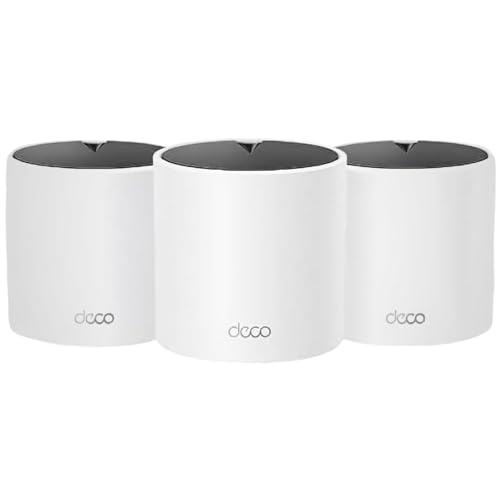
- Covers up to 5,600 sq. ft.
- Supports wired Ethernet backhaul
- Handles up to 120 devices
Best For: Budget-minded homes wanting Wi‑Fi 6 mesh with wired node connections
Ultimate Wi‑Fi 7 Flagship – TP-Link Deco BE85 Tri-Band
If you want mesh WiFi systems with dedicated backhaul performance plus serious wired expansion, the TP-Link Deco BE85 is built for top-tier homes. It combines Wi-Fi 7 features like Multi-Link Operation, 320 MHz channels, and tri-band throughput with support for simultaneous wireless and wired backhaul to help keep speeds high as you add more nodes.
Best For: Large homes, heavy multi-device use, and buyers who want future-proof Wi-Fi 7 networking with 10G ports.
Pros:
- Wi-Fi 7 tri-band design with up to 22 Gbps combined speed
- Simultaneous wireless plus wired backhaul for more flexible mesh layouts
- Two 10G WAN/LAN ports plus two 2.5G ports for fast wired networking
- Covers up to 9,600 sq. ft. and supports over 200 devices
Cons:
- Overkill if you only need basic home coverage
- Requires wired infrastructure to fully benefit from the 10G backhaul options
- Premium feature set may be more than casual users need
This is the strongest all-around pick in the group for buyers who want a high-end mesh system that can scale with fast internet and demanding homes. The combo of Wi-Fi 7, advanced ports, and flexible backhaul makes it especially appealing for future-focused networking.
Secure Tri-Band Mesh – NETGEAR Orbi 770 Series RBE773
The NETGEAR Orbi 770 Series is a strong choice if you want mesh WiFi systems with dedicated backhaul-style stability in a premium, easy-to-manage package. Its tri-band Wi-Fi 7 design uses Enhanced Backhaul to keep traffic moving smoothly across the router and satellites while covering a large home.
Best For: Buyers who want a premium Wi-Fi 7 mesh with strong built-in security and wide coverage.
Pros:
- Wi-Fi 7 speeds up to 11 Gbps
- Tri-band system with Enhanced Backhaul for better multi-node performance
- Covers up to 8,000 sq. ft. and supports up to 100 devices
- Built-in security features with automatic firmware updates
Cons:
- Made for use in the U.S. only
- Only includes a 2.5 Gig internet port, not multi-gig LAN options like some rivals
- Premium pricing is likely aimed at buyers with larger homes and higher expectations
Orbi’s appeal is balance: fast Wi-Fi 7 performance, a polished mesh system, and security features that are already built in. If you want a reliable whole-home setup with backhaul-focused tri-band design, this is an easy premium contender.
Value Wi‑Fi 7 Mesh – Tenda BE5100 ME6 Pro
The Tenda ME6 Pro is a practical option if you want mesh WiFi systems with dedicated backhaul support without jumping to a tri-band price tier. It uses Wi-Fi 7, dual-band performance, and wired Ethernet backhaul to improve mesh stability, while the EasyMesh-ready design keeps setup and expansion straightforward.
Best For: Budget-minded buyers who want Wi-Fi 7 mesh coverage and reliable wired backhaul support.
Pros:
- Wi-Fi 7 dual-band system with MLO support
- Wired Ethernet backhaul for more reliable mesh performance
- Covers up to 6,600 sq. ft. and supports 160+ devices
- Includes 2.5G and 1G ports plus app-based setup
Cons:
- No 6 GHz band on this model
- Dual-band design offers less spectrum than tri-band alternatives
- 1 Gbps LAN ports may limit wired device speed for some users
This is a sensible pick for households that care more about dependable coverage and easy management than maximum band count. The wired backhaul support and Wi-Fi 7 features make it a capable mesh upgrade for everyday streaming, gaming, and smart-home use.
Best Value Tri-Band 6E – TP-Link Deco XE75 AXE5400
For shoppers comparing mesh WiFi systems with dedicated backhaul but not ready to move to Wi-Fi 7, the TP-Link Deco XE75 is still a very capable pick. Its tri-band Wi-Fi 6E design uses the 6 GHz band as a backhaul by default, helping maintain stable connections between nodes while delivering broad coverage and easy app control.
Best For: Buyers who want a proven tri-band mesh system with 6 GHz backhaul and strong value.
Pros:
- Tri-band Wi-Fi 6E with 6 GHz backhaul support by default
- Covers up to 7,200 sq. ft. and supports 200 devices
- Up to 5,400 Mbps total speed with AI-driven mesh roaming
- Includes HomeShield security and easy app setup
Cons:
- Wi-Fi 6E, not Wi-Fi 7
- Best performance depends on having 6E-capable devices for the 6 GHz band
- Not the fastest option if you need cutting-edge multi-gig headroom
The XE75 remains a smart buy if you want a stable mesh platform with a dedicated 6 GHz backhaul path and broad compatibility. It may not be the newest standard, but it still offers a strong mix of coverage, simplicity, and everyday reliability.
Budget-Friendly Wi-Fi 7 Mesh – TP-Link Deco 7 BE25 Dual-Band 3-Pack
If you want mesh WiFi systems with dedicated backhaul support for whole-home coverage, the TP-Link Deco 7 BE25 is built for fast, simple expansion. This Wi-Fi 7 dual-band 3-pack uses 2.5G Ethernet ports for wired backhaul, so it’s a practical choice when you want stable roaming across a large home without adding complexity.
Best For: Larger homes that want Wi-Fi 7, easy app setup, and a mesh system that can use wired backhaul for better stability.
Pros:
- Covers up to 6,600 sq. ft. and supports over 150 devices.
- Wi-Fi 7 with 2.5G Ethernet helps balance traffic between Deco units.
- AI-Roaming, unified network naming, and Deco app setup simplify day-to-day use.
- Includes HomeShield, VPN client/server support, and WPA3 security.
Cons:
- Backhaul requires at least two Deco units to be connected.
- It’s dual-band rather than tri-band, so it may not match higher-end systems on raw wireless backhaul headroom.
- A separate modem is still required.
Overall, this Deco system is a strong value-oriented pick if you want the benefits of dedicated wired backhaul without stepping into the highest-priced mesh tier. It balances broad coverage, easy management, and modern Wi-Fi 7 features in a package that’s straightforward to expand later.
High-Speed Premium Mesh – NETGEAR Orbi 770 WiFi 7 2-Pack
The NETGEAR Orbi 770 Series is a premium option for buyers comparing mesh WiFi systems with dedicated backhaul support and top-end wireless speed. This tri-band Wi-Fi 7 system includes a router and satellite, uses Enhanced Backhaul to keep the mesh link fast and reliable, and is designed to handle busy households with lots of connected devices.
Best For: Households that want premium Wi-Fi 7 performance, strong mesh backhaul, and simple expansion through add-on satellites.
Pros:
- Tri-band Wi-Fi 7 system rated up to 11Gbps.
- Enhanced Backhaul is designed to keep the mesh connection fast and reliable.
- Covers up to 5,500 sq. ft. and supports up to 100 devices.
- Includes NETGEAR Armor, WPA3, automatic updates, and app setup.
Cons:
- Only a 2-unit system is included, so larger homes may need add-on satellites.
- Requires an existing modem or ISP gateway.
- Made for use in the U.S. only.
The Orbi 770 stands out when speed, security, and easy mesh expansion matter most. If you want a polished Wi-Fi 7 setup with backhaul tuned for reliable whole-home performance, this is one of the more compelling higher-end choices.
Ultra-Performance Wired Backhaul Mesh – TP-Link Deco BE85 2-Pack
For shoppers focused on mesh WiFi systems with dedicated backhaul support, the TP-Link Deco BE85 is the most performance-heavy option here. This tri-band Wi-Fi 7 2-pack combines Wi-Fi 7 features with simultaneous wireless and wired backhaul, making it a strong fit for large networks that need both speed and flexibility.
Best For: Power users who want very high Wi-Fi 7 throughput, multi-gig wired backhaul, and room to grow a demanding home network.
Pros:
- Tri-band Wi-Fi 7 with up to 22Gbps class performance.
- Supports simultaneous wireless plus wired backhaul.
- Includes dual 10G WAN/LAN ports, two 2.5G ports, and a USB 3.0 port.
- Built for over 200 devices with AI-Roaming, HomeShield, and VPN support.
Cons:
- Likely more system than a casual small-home setup needs.
- Advanced ports and features may be overkill if you don’t have multi-gig internet or wired devices.
- A modem is required for most internet providers.
Deco BE85 is the most future-proof choice in this group, especially if you want to combine fast wireless performance with a robust wired backhaul path. It’s best for users who want a premium mesh system that can scale into a serious home networking setup.
Budget-Friendly Whole-Home Coverage – TP-Link Deco X55 AX3000 WiFi 6 Mesh System
If you want mesh WiFi systems with dedicated backhaul-ready wiring support without jumping to a premium price tier, the TP-Link Deco X55 is a practical Wi‑Fi 6 option. It covers up to 6,500 sq. ft., supports up to 150 devices, and can use wired Ethernet backhaul for better speeds when you can run cables between units.
Best For: Larger homes that want reliable Wi‑Fi 6 mesh coverage with the option for wired backhaul and simple app-based setup.
Pros:
- Covers up to 6,500 square feet with a 3-pack.
- Supports wired Ethernet backhaul for improved performance.
- Handles up to 150 connected devices.
- Each unit includes 3 Gigabit Ethernet ports.
Cons:
- Dual-band design, so it does not offer a dedicated wireless backhaul band.
- Wi‑Fi 6 speeds are solid, but not as fast as newer Wi‑Fi 7 systems.
The Deco X55 is a strong fit if you want straightforward whole-home coverage and the flexibility of wired backhaul for better speed consistency. It balances coverage, device capacity, and easy management in a way that makes sense for many households.
Wi-Fi 7 Powerhouse for Wired Backhaul – TP-Link Deco 7 Elite BE85 WiFi 7 Mesh System
For shoppers comparing mesh WiFi systems with dedicated backhaul, the TP-Link Deco BE85 is built for maximum speed and advanced wired networking. It supports simultaneous wireless and wired backhaul, includes two 10G WAN/LAN ports plus two 2.5G ports, and is designed to connect over 200 devices without slowing down performance.
Best For: High-end home networks that need Wi‑Fi 7 performance, 10G wiring, and flexible backhaul options.
Pros:
- Wi‑Fi 7 with multi-link operation, 4K-QAM, and 320 MHz channels.
- Supports simultaneous wireless and wired backhaul.
- Includes 2x 10G WAN/LAN ports and 2x 2.5G ports.
- Can connect over 200 devices while maintaining top-tier performance.
Cons:
- 1-pack coverage is best for extending or building a premium system, not broad standalone whole-home coverage.
- Feature set is aimed at advanced users, so it may be more than casual buyers need.
The BE85 stands out when speed, port capacity, and future-ready networking matter most. If your setup can take advantage of wired backhaul and 10G connectivity, this is the most ambitious option in the group.
Value-Oriented Mesh With Wired Backhaul – TP-Link Deco X15 AX1500 WiFi 6 Mesh System
The TP-Link Deco X15 is a lower-cost pick among mesh WiFi systems with dedicated backhaul support, especially if you plan to use Ethernet between nodes. It delivers Wi‑Fi 6 coverage up to 5,600 sq. ft., supports up to 120 devices, and uses wired Ethernet backhaul for better speeds when you have cabling in place.
Best For: Budget-conscious homes that want simple Wi‑Fi 6 mesh coverage with the option to wire the nodes together.
Pros:
- Covers up to 5,600 square feet with a 3-pack.
- Supports wired Ethernet backhaul for better speeds.
- Handles up to 120 connected devices.
- Includes 2 Gigabit Ethernet ports per unit.
Cons:
- Dual-band only, so it relies on dynamic backhaul rather than a dedicated backhaul band.
- AX1500 speeds are more modest than higher-tier Wi‑Fi 6 or Wi‑Fi 7 systems.
For buyers who want dependable whole-home mesh without paying for premium extras, the Deco X15 keeps the feature set focused. It makes the most sense in homes where Ethernet backhaul can help stretch value and stability.
How We Picked These Mesh WiFi Systems with Dedicated Backhaul
We prioritized systems that offer a clear backhaul advantage through tri-band wireless design, wired backhaul support, or both. We also looked at real-world home coverage claims, port options, Wi-Fi generation, and how well each system fits different household sizes and internet plans. The goal was to favor systems that can stay fast under load, not just look good on a spec sheet.
Quick Comparison: Which Type Fits Your Home?
If you have a multi-gig internet plan or many high-demand devices, Wi-Fi 7 systems with 2.5G or 10G ports are the most future-ready choice. If you want solid performance at a lower price, Wi-Fi 6 and 6E models can still deliver excellent coverage when placed well. Dual-band systems can work for simpler homes, but tri-band options usually have the edge for mesh performance because they preserve more bandwidth for client devices.
Key Buying Factors for Mesh WiFi Systems with Dedicated Backhaul
Backhaul Type
Dedicated wireless backhaul is ideal when you cannot run Ethernet between nodes. If your home is already wired, Ethernet backhaul can be even better because it frees up wireless capacity and often improves consistency. Some systems support both, which adds flexibility.
Wireless Standard
Wi-Fi 7 is the newest option and makes the most sense for fast internet plans, lots of active devices, and longer-term use. Wi-Fi 6E and Wi-Fi 6 remain smart buys for many households, especially if your current internet speed is under 1 Gbps or you want to save money.
Coverage and Home Layout
Coverage claims are useful, but your walls, floors, and layout matter just as much. Larger homes, dense construction, and mixed-use spaces often benefit from a 3-pack system or a model with strong wired-backhaul support.
Ports and Multi-Gig Support
If you pay for fast fiber or cable service, look for 2.5G or 10G ports so your router does not bottleneck the connection. More LAN ports also help if you need wired devices such as consoles, desktops, or media players.
Who Should Buy Which Mesh WiFi Systems with Dedicated Backhaul?
Choose a premium Wi-Fi 7 tri-band system if you want top speed, maximum capacity, and the best long-term upgrade path. Pick a midrange Wi-Fi 6E or Wi-Fi 6 mesh if you need dependable whole-home coverage without overspending. If your priority is value, a dual-band system can still be a good match for smaller homes, lighter usage, or simpler internet plans. In short, the best Mesh WiFi Systems with Dedicated Backhaul are the ones that match your home size, wiring options, and speed needs—not just the highest advertised number.
